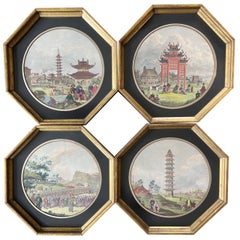
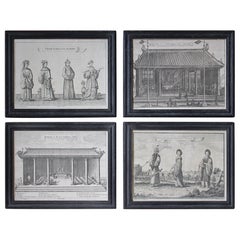
Want more images or videos?
Request additional images or videos from the seller.

Antique Chinese Architecture Design Prints — Temple Elevations & Plans, 1815

$537.14per set
£400.94per set
€470per setVAT Included
CA$750.74per set
A$764.18per set
CHF 442.52per set
MX$10,091.15per set
NOK 4,946.29per set
SEK 5,278.08per set
DKK 3,597.46per set

About the Item

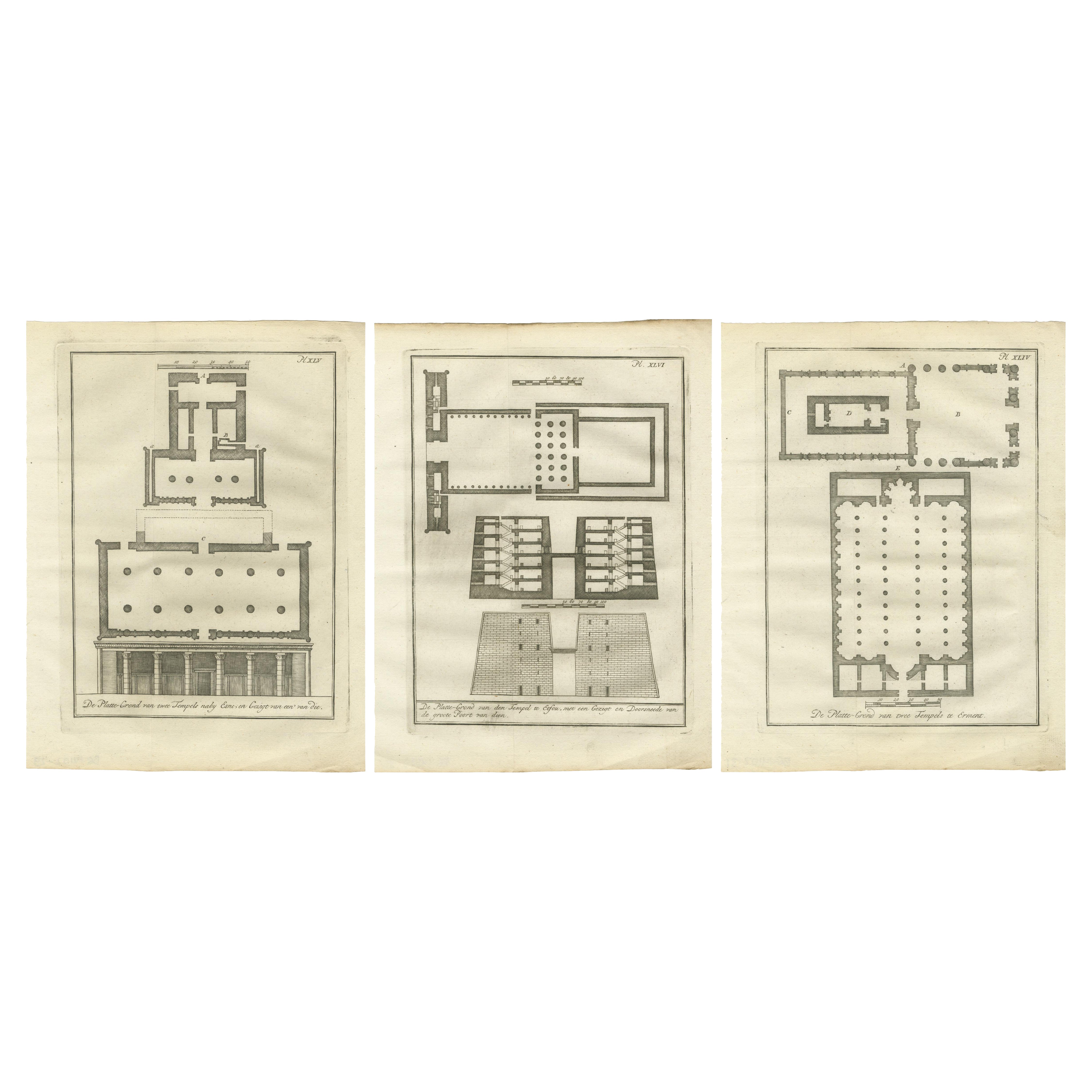
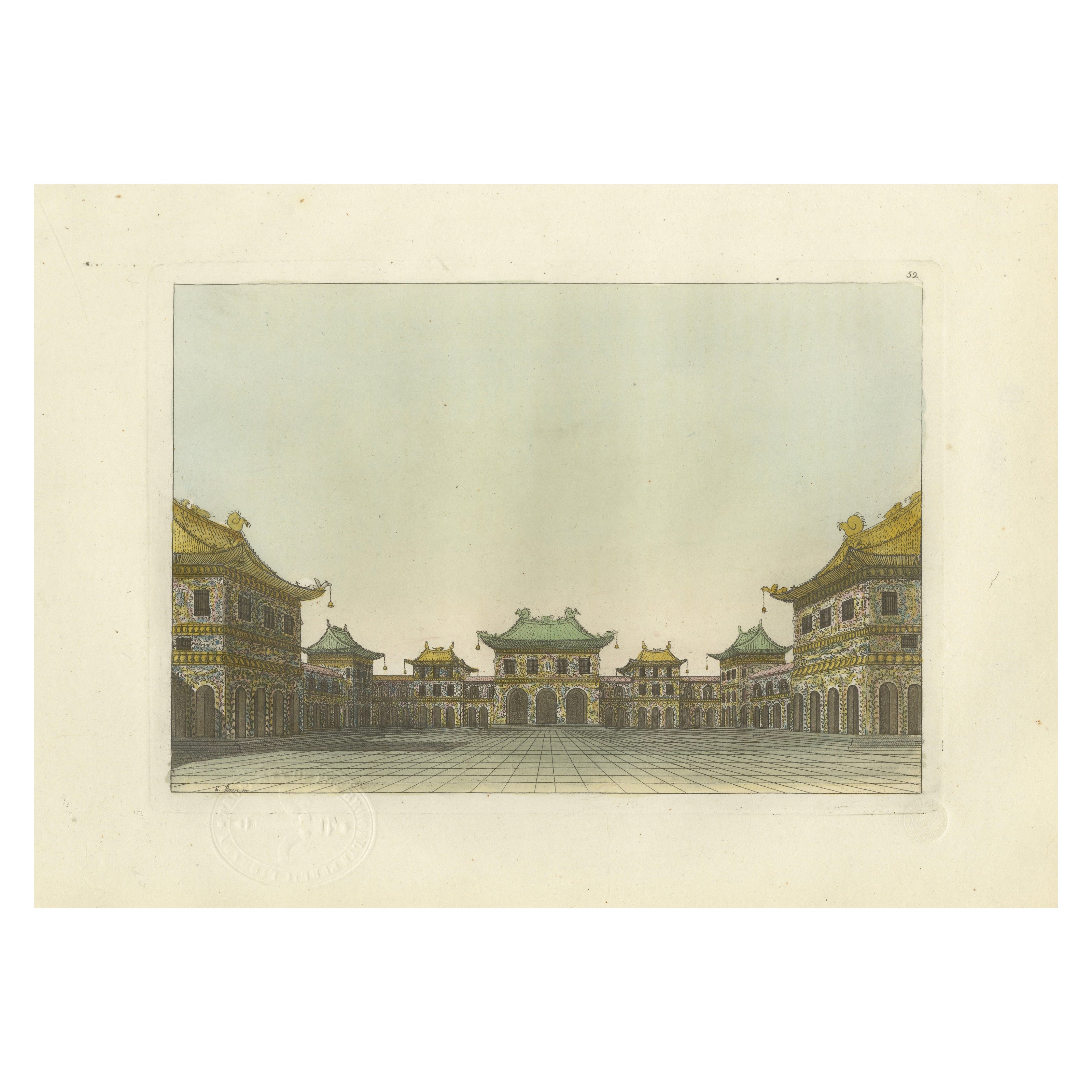
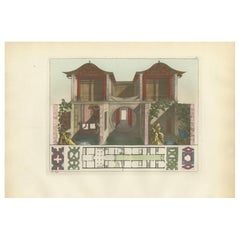
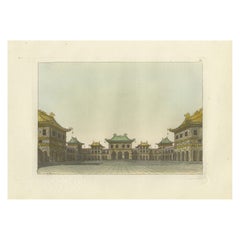
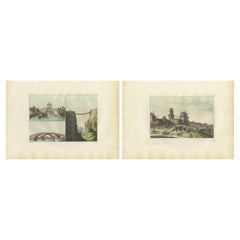
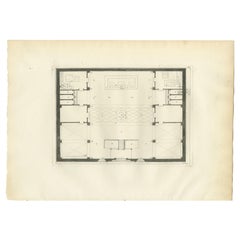
Antique Chinese Architecture Design Prints — Temple Elevations & Plans, Ferrario 1815 Description: This refined set of three hand-colored copperplate engravings originates from Giulio Ferrario’s monumental early nineteenth-century publication Il Costume Antico e Moderno (Ancient and Modern Costumes of all the Peoples of the World), published in Florence, Italy, in 1815. Designed as an ambitious visual survey of global cultures, architecture, and decorative traditions, Ferrario’s work reflects the Enlightenment-era fascination with ethnography, design history, and cross-cultural artistic exchange. This prints are offered unframed, allowing the buyer full freedom of framing choice. The present group illustrates Chinese architectural studies, including temple façades, pavilions, structural elevations, and architectural plans. The plates combine detailed elevations with schematic floor plans and sectional views, demonstrating both aesthetic refinement and technical precision. Characteristic features of traditional Chinese architecture are highlighted, including tiered pagoda-style roofs, curved eaves, symmetrical layouts, and red-columned façades supporting green tiled roof structures. The careful hand coloring emphasizes the architectural geometry while retaining the scholarly clarity of the engraved lines. Produced for a European audience eager to explore global artistic traditions, these engravings represent early nineteenth-century interpretations of Chinese architectural design. Such plates served as visual references for architects, designers, and collectors interested in exotic forms and ornamental systems. Today they are appreciated both as historical documents and as sophisticated decorative works, combining architectural study with elegant composition. As a set, the three engravings create a visually balanced narrative: one plate presenting multiple structural views and plans, a central symmetrical temple elevation acting as the focal point, and a complementary plate showing pavilion forms and variations. This cohesive arrangement makes the group especially suitable for display as a curated ensemble, offering intellectual depth alongside decorative appeal. Ferrario plates remain highly sought after by collectors of ethnographic prints, architectural studies, and decorative arts imagery. Their refined scale and harmonious color palette make them particularly attractive to interior designers seeking historically rich yet visually clean wall compositions. Condition report: Good condition consistent with age. Plate marks visible. Light toning, minor foxing, and occasional handling wear typical of early nineteenth-century paper. Original embossed blind stamp visible on the sheets, as issued, with possible light overlap into the image area. Overall strong impressions with attractive contemporary hand coloring. Framing tips: This set benefits from uniform framing to emphasize cohesion. Dark walnut, ebonized, or gilt frames paired with generous ivory or off-white mats enhance the architectural lines and subtle coloration. Hanging the three prints in a horizontal row with equal spacing creates a balanced gallery-style presentation ideal for both classic and contemporary interiors. Technique: Hand-colored copperplate engravings Maker: Giulio Ferrario (publisher), engravings after Andrea Bernieri and workshop, Florence, Italy, 1815 Keywords: Giulio Ferrario, Il Costume Antico e Moderno, Chinese architecture print, antique architectural engraving, Chinese temple design, pagoda architecture, architectural elevation print, architectural plan engraving, antique design study, ethnographic architecture illustration, hand-colored copperplate engraving, Italian engraving 1815, Enlightenment era print, Asian architecture illustration, antique Chinese building print, decorative architectural print set, antique architectural study, collectible antique prints, interior designer wall art, neoclassical ethnographic illustration, historical architecture engraving, antique design reference, Chinese pavilion architecture, architectural history print, museum quality antique engraving, early nineteenth century Italian printmaking, architectural decorative art.
  • Dimensions:
    Height: 13.94 in (35.4 cm)Width: 10.01 in (25.4 cm)Depth: 0.01 in (0.2 mm)
  • Sold As:
    Set of 3
  • Materials and Techniques:
    Paper,Engraved
  • Place of Origin:
  • Period:
  • Date of Manufacture:
    1815
  • Condition:
    Good condition consistent with age. Plate marks visible. Light toning, minor foxing, and occasional handling wear typical of early nineteenth-century paper. Original embossed blind stamp visible on the sheets, as issued, with possible light overlap.
  • Seller Location:
    Langweer, NL
  • Reference Number:
    Seller: BG-13000-48, -49, -501stDibs: LU3054348760402

More From This Seller

View All
Chinese Imperial Palace Elevation and Plan, Antique Architecture Print, 1815

Chinese Imperial Palace Elevation and Plan, Antique Architecture Print, 1815

Located in Langweer, NL

Chinese Imperial Palace Elevation and Plan, Antique Architecture Print 1815 Description: This striking early 19th-century architectural engraving presents a formal elevation and gro...

Category

Antique Early 19th Century Italian Prints

Materials

Paper

Chinese Architecture and Court Scenes, Set of Three Ferrario Engravings 1815

Chinese Architecture and Court Scenes, Set of Three Ferrario Engravings 1815

Located in Langweer, NL

Chinese Architecture and Court Scenes — Set of Three Hand-Colored Engravings, Ferrario 1815 A refined and visually balanced set of three hand-coloured copperplate engravings depicting Chinese architecture, ceremonial settings, and everyday scenes, engraved for Giulio Ferrario’s celebrated publication “Il Costume Antico e Moderno” (Ancient and Modern Costumes of all the Peoples of the World), published in Florence in 1815. These engravings reflect early nineteenth-century European fascination with China, combining ethnographic curiosity with architectural study and decorative aesthetic appeal. The first plate presents an imposing imperial architectural structure rendered with symmetry and clarity characteristic of Enlightenment-era documentary imagery. The strong horizontal composition and monumental form convey the grandeur of Chinese imperial construction and ceremonial space, appealing strongly to collectors interested in historic architecture and cross-cultural visual narratives. The second engraving shows a temple or pavilion setting within a landscaped environment, integrating architectural design with figures in traditional dress. The subtle coloring and precise engraving create a harmonious composition reflecting both architectural observation and romanticized European interpretation of Chinese environments. The third plate introduces movement and narrative through a lively street or ceremonial setting with figures moving through an urban landscape defined by distinctive rooflines and ceremonial poles. Together the three plates create a compelling visual dialogue between architecture, ceremonial space, and daily life. Interior-designer positioning: This trio works exceptionally well as a panoramic architectural statement piece in luxury interiors. The soft antique palette pairs beautifully with warm taupe walls, dark walnut frames, and generous ivory mats, creating a museum-grade presentation that complements high-end hotel interiors, contemporary Asian-inspired residences, or chinoiserie-influenced design schemes. The elongated horizontal compositions lend themselves perfectly to placement above consoles, sofas, or long corridor walls, adding cultural depth and refined historic character while maintaining calm visual balance. Particularly effective in layered interior concepts combining Asian antiques, natural textures, and understated modern furnishings. Ferrario’s series is widely appreciated for its blend of scholarly ambition and decorative appeal. Produced during a period when European audiences sought visual knowledge of distant cultures, these engravings occupy an important position between documentation and artistic interpretation, making them attractive both for collectors and interior designers seeking authentic historical imagery. Condition report: Overall very good condition for age. Light age toning to margins, occasional faint foxing and handling marks consistent with bound plates. Visible platemarks and original embossed blind stamp present, as issued. Framing tips: Highly effective in dark walnut or ebonized frames with generous ivory or warm off-white mats. Floating mat presentation enhances the architectural lines and preserves visible platemarks. Maintain consistent spacing between frames for a refined gallery-wall effect. Technique: Hand-coloured copperplate engraving Maker: Giulio Ferrario (after Andrea Bernieri and collaborators), Florence, Italy, 1815 Keywords:: Chinese architecture, antique Chinese print...

Category

Antique Early 19th Century Italian Prints

Materials

Paper

Chinese Canton House Architectural Elevation and Floor Plan, Ferrario 1815

Chinese Canton House Architectural Elevation and Floor Plan, Ferrario 1815

Located in Langweer, NL

Chinese Canton House Architectural Elevation and Floor Plan, Ferrario 1815 This finely hand-colored copperplate engraving depicts a traditional Chinese house, presented through a sophisticated architectural composition combining elevation, sectional perspective, and detailed floor plan. Published in the early nineteenth century as part of Giulio Ferrario’s monumental work *Il Costume Antico e Moderno di Tutti i Popoli del Mondo* (Italy, circa 1815), the print reflects Europe’s growing fascination with Asian architecture and decorative culture during the height of the Chinoiserie movement. The engraving offers both artistic appeal and documentary value. The upper section presents the architectural façade, showing characteristic Chinese rooflines with sweeping eaves, structural red columns, and balanced symmetry typical of traditional design principles. Below, a carefully rendered floor plan reveals the functional organization of the building, illustrating spaces such as an interior courtyard, domestic quarters, service areas, and a shopfront facing the street. This combination of exterior and interior views provides insight into spatial planning and daily life, making the print particularly compelling for collectors interested in architectural history or cross-cultural design exchange. Ferrario’s publication aimed to create a visual encyclopedia of world cultures, combining ethnographic curiosity with artistic refinement. European audiences of the period were deeply fascinated by China’s architectural traditions, and such plates served as both educational material and sources of decorative inspiration. Today, the engraving stands as an important example of early nineteenth-century European interpretations of Chinese architecture, blending scholarly observation with the aesthetic sensibilities of the Enlightenment era. The print also holds strong decorative appeal. Its structured layout, balanced composition, and refined hand coloring make it ideal for display within sophisticated interiors. It pairs especially well with Asian-inspired or contemporary luxury settings, including hotel-style interiors or curated gallery walls, where architectural imagery provides both visual depth and intellectual interest. Condition: Very good antique condition consistent with age. Light age toning to the margins, minor spotting and handling marks visible. Plate mark present. Original embossed blind stamp visible as issued. Framing tips: A dark walnut, black lacquer, or deep-toned frame with a generous ivory or warm off-white mat enhances the architectural symmetry and emphasizes the detailed plan. Museum glass is recommended to preserve the hand coloring and reduce reflections. Technique: Hand-colored copperplate engraving Maker: Giulio Ferrario (publisher/author), Italy, circa 1815 Keywords: Chinese architecture print, Canton house engraving, Guangzhou architecture antique, Ferrario Il Costume Antico e Moderno, Giulio Ferrario engraving, Chinese house floor plan, antique architectural engraving, chinoiserie print, Chinese interior architecture, Qing dynasty architecture illustration, antique China print, hand coloured copperplate engraving, early 19th century engraving, Italian published engraving 1815, architectural elevation drawing, historic Chinese dwelling illustration, antique architectural plan...

Category

Antique Early 19th Century Italian Prints

Materials

Paper

Antique Imperial Hall of Audience Beijing Print — Chinese Architecture, 1815

Antique Imperial Hall of Audience Beijing Print — Chinese Architecture, 1815

Located in Langweer, NL

Antique Imperial Hall of Audience Beijing Print — Chinese Architecture, Ferrario 1815 This finely hand-colored copperplate engraving depicts the Imperial Hall of Audience in Beijing...

Category

Antique Early 19th Century Italian Prints

Materials

Paper

Antique Chinese Architecture & Landscape Engravings, Ferrario China Views, 1815

Antique Chinese Architecture & Landscape Engravings, Ferrario China Views, 1815

Located in Langweer, NL

Antique Chinese Architecture & Landscape Engravings, Ferrario China Views 1815 A refined pair of early nineteenth-century hand-coloured copperplate engravings from Giulio Ferrario’s celebrated publication Il Costume Antico e Moderno (Florence, 1815), presenting two distinct yet visually complementary views of Chinese architecture and landscape. These engravings reflect the European fascination with Chinese culture during the late Enlightenment and early Romantic periods, when travel accounts, missionary reports, and trade with Canton stimulated widespread interest in Chinese visual traditions. The first plate combines multiple architectural and landscape vignettes, including a monumental arched bridge with figures and vessels navigating beneath it, together with dramatic mountainous scenery connected by a suspended bridge. The composition offers a picturesque vision of China shaped through European imagination and documentary curiosity, merging scenic topography with architectural observation. The companion engraving depicts a fortified riverside city with traditional pagoda towers, walls, and bridges spanning a canal or river, animated by figures, boats, and daily activity. The balanced composition and architectural clarity make it particularly appealing for collectors interested in early European interpretations of Chinese urban environments. This image is a hand-colored engraving depicting the Western Gate of Peking (Beijing), China, likely based on sketches made during the Macartney Embassy in 1793. Artist and Origin: The scene is based on drawings by William Alexander, a British artist who accompanied the embassy. Historical Context: The embassy was the first British diplomatic mission to China, aiming to open trade relations. Depicted Scene: It shows the city walls, a fortress structure, and a bridge over a waterway, illustrating daily life and military architecture of the time. Both prints are engraved in a precise neoclassical line typical of early nineteenth-century Italian printmaking and enhanced with delicate contemporary hand-colouring. The palette remains soft and refined, allowing the architectural forms and spatial perspective to remain central. Together they create a coherent decorative pairing: one emphasizing landscape and infrastructure, the other focusing on urban fortification and architectural identity. Sets such as this appeal strongly to interior designers because they offer symmetry and narrative continuity when displayed together. Their horizontal format works particularly well in luxury interiors — especially in gallery-style arrangements or above consoles — where historical imagery adds cultural depth and refined visual texture. In a Jakarta/Kempinski-style luxury interior, these prints benefit from dark walnut frames with generous ivory mats, emphasizing the delicate colouring and historic character while maintaining a contemporary presentation. Collectors value Ferrario plates for their combination of ethnographic curiosity, decorative quality, and early nineteenth-century European perspectives on Asia. As part of one of the most ambitious illustrated surveys of world cultures produced during the period, these engravings represent an intersection of art, travel history, and cross-cultural fascination. Condition: Good antique condition consistent with age. Light age toning and minor handling marks to margins; plate impressions visible. Colours remain fresh and attractive. Framing tips: Dark walnut or ebonized frame with wide warm ivory mat for museum presentation. The two prints display best hung side-by-side with equal spacing to create a balanced panoramic effect suitable for luxury interiors. Technique: Hand-coloured copperplate engraving Maker: Giulio Ferrario publication, Italy, 1815 Keywords: Chinese architecture, antique China print...

Category

Antique Early 19th Century Italian Prints
Materials

Paper

You May Also Like

Set of Four Early 19th-Century Hand-Colored Engravings of Qing Dynasty China

Set of Four Early 19th-Century Hand-Colored Engravings of Qing Dynasty China

Located in Morristown, NJ

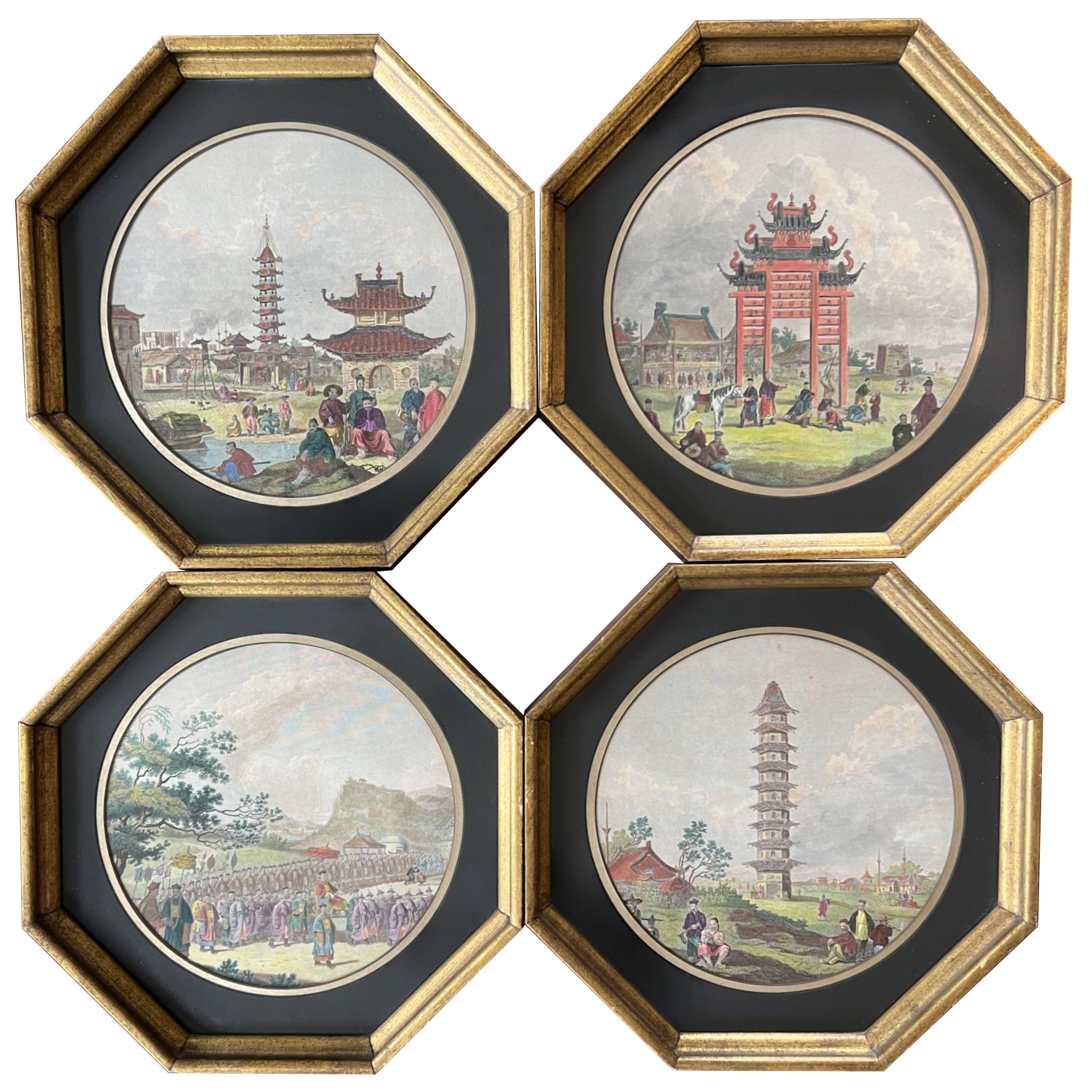
A decorative set of four early 19th-century European hand-colored engravings depicting the architecture, people and ceremonial life of Qing-dynasty China. The subjects include a mon...

Category

Antique 1810s Italian Chinese Export Prints

Materials

Glass, Giltwood, Paint, Paper

18th Century Ethnographic Interest Asian Natives & Temples Framed Engravings

18th Century Ethnographic Interest Asian Natives & Temples Framed Engravings

Located in Lowestoft, GB

A collection of four late 18th century engravings of local tribes and temples from the Asian continent, printed by Nathaniel Parr and James Basire. Later housed in 19th century ebon...

Category

Antique Late 18th Century English Prints

Materials

Glass, Pine, Paper

Set of 8 Original Antique Prints of Architectural Drawings. 1906

Set of 8 Original Antique Prints of Architectural Drawings. 1906

Located in St Annes, Lancashire

Wonderful set of prints of architectural drawings Published 1906 Unframed and not matted. The size is for one of the prints One of the prints a has a repair to a minor tear on t...

Category

Antique Early 1900s English Arts and Crafts Prints

Materials

Paper