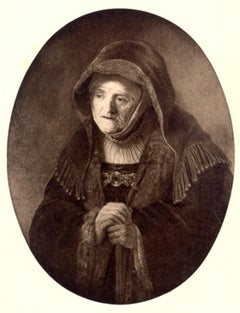
Rembrandt van Rijn
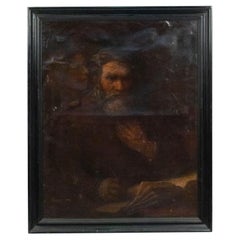
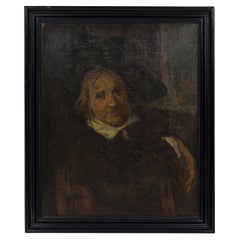
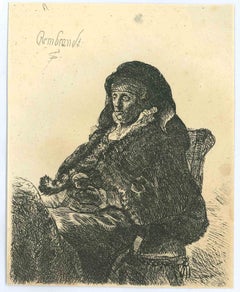
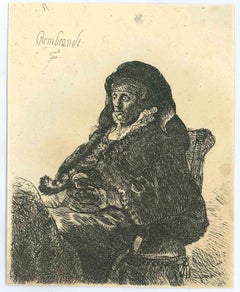
Rembrandt was the most influential 17th Century Dutch painter. After years of early success as a portrait painter, his life was beset by financial hardship and personal tragedy. He continued to paint portraits and develop etchings. Rembrandt's portraits of his contemporaries, self-portraits and illustrations of scenes from the Bible are regarded as his greatest creative triumphs. His self-portraits form a unique and intimate autobiography, in which the artist surveyed himself without vanity and with the utmost sincerity. Like many artists of the Dutch Golden Age, such as Jan Vermeer of Delft, Rembrandt was also an avid art collector and dealer. Rembrandt never went abroad, but he was considerably influenced by the work of the Italian masters and Netherlandish artists who had studied in Italy, like Pieter Lastman, the Utrecht Caravaggists, Flemish Baroque, and Peter Paul Rubens. Rembrandt's foremost contribution in the history of printmaking was his transformation of the etching process from a relatively new reproductive technique into a true art form, along with Jacques Callot. His reputation as the greatest etcher in the history of the medium was established in his lifetime and never questioned since. Few of his paintings left the Dutch Republic while he lived, but his prints were circulated throughout Europe, and his wider reputation was initially based on them alone.