Want more images or videos?
Request additional images or videos from the seller.

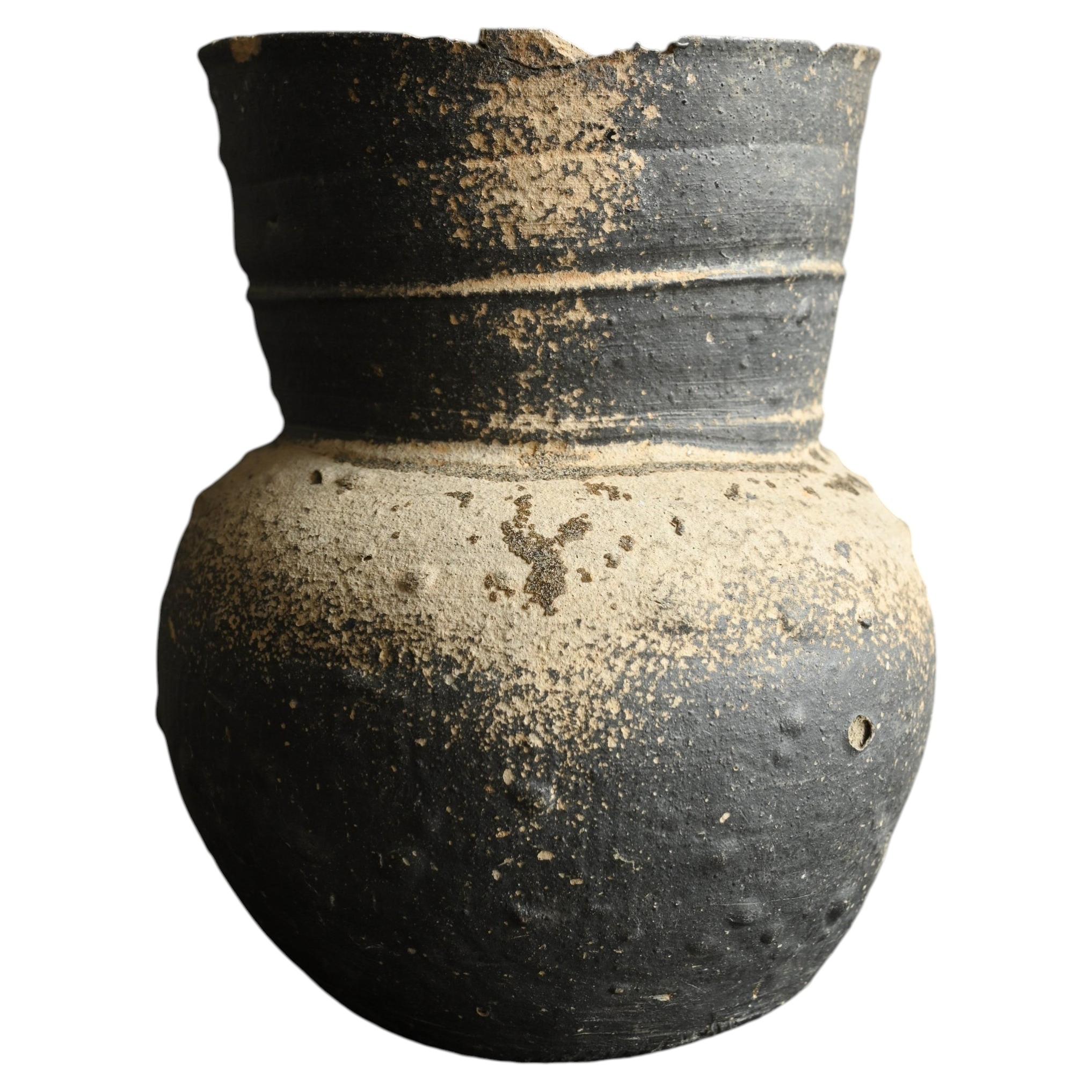
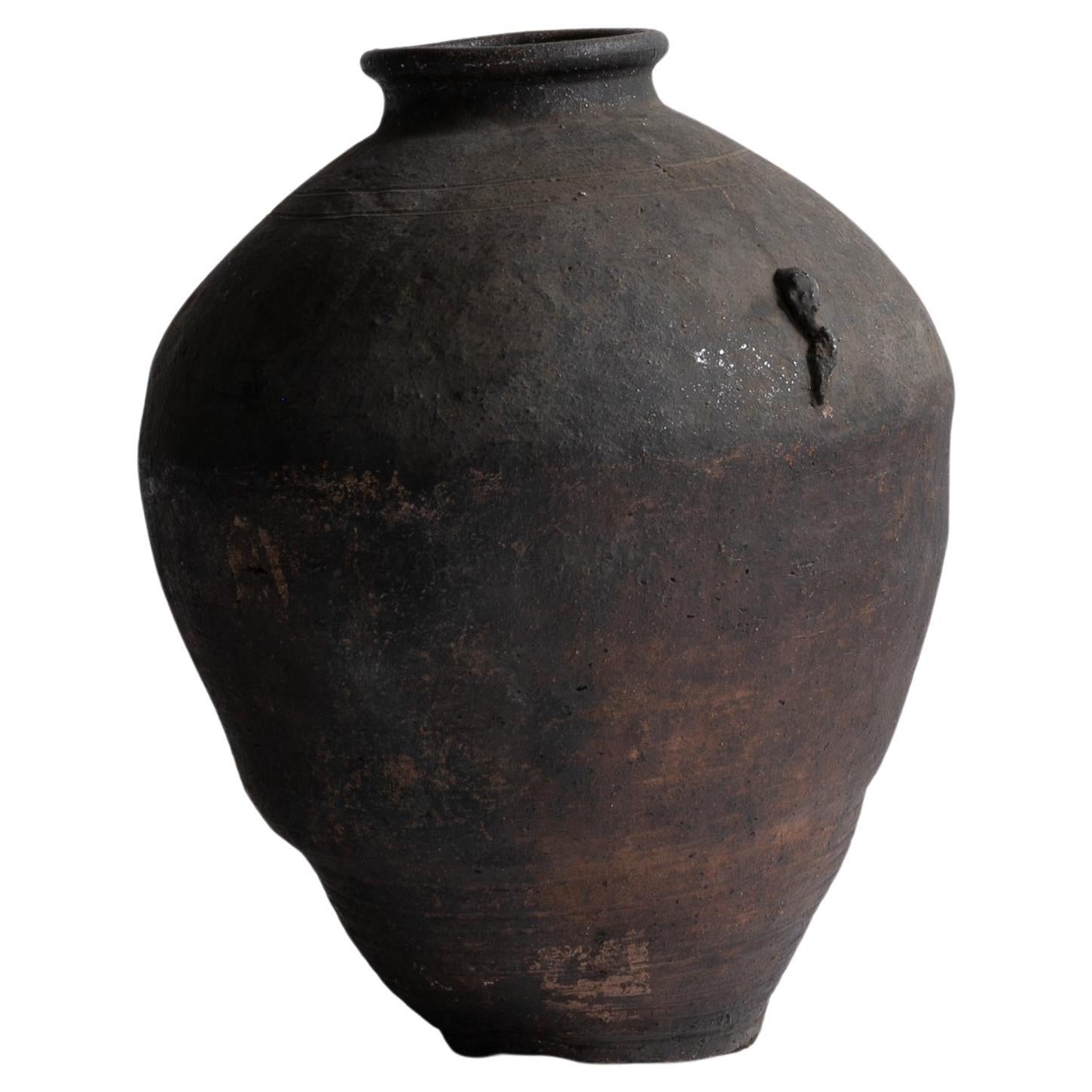
Antique Japanese Tokoname Pottery Jar / Late 12th Century / Wabi-sabi

$1,500
£1,153.85
€1,381.15
CA$2,181.78
A$2,237.04
CHF 1,274.59
MX$28,475.65
NOK 14,640.53
SEK 15,275.35
DKK 10,324.37

About the Item

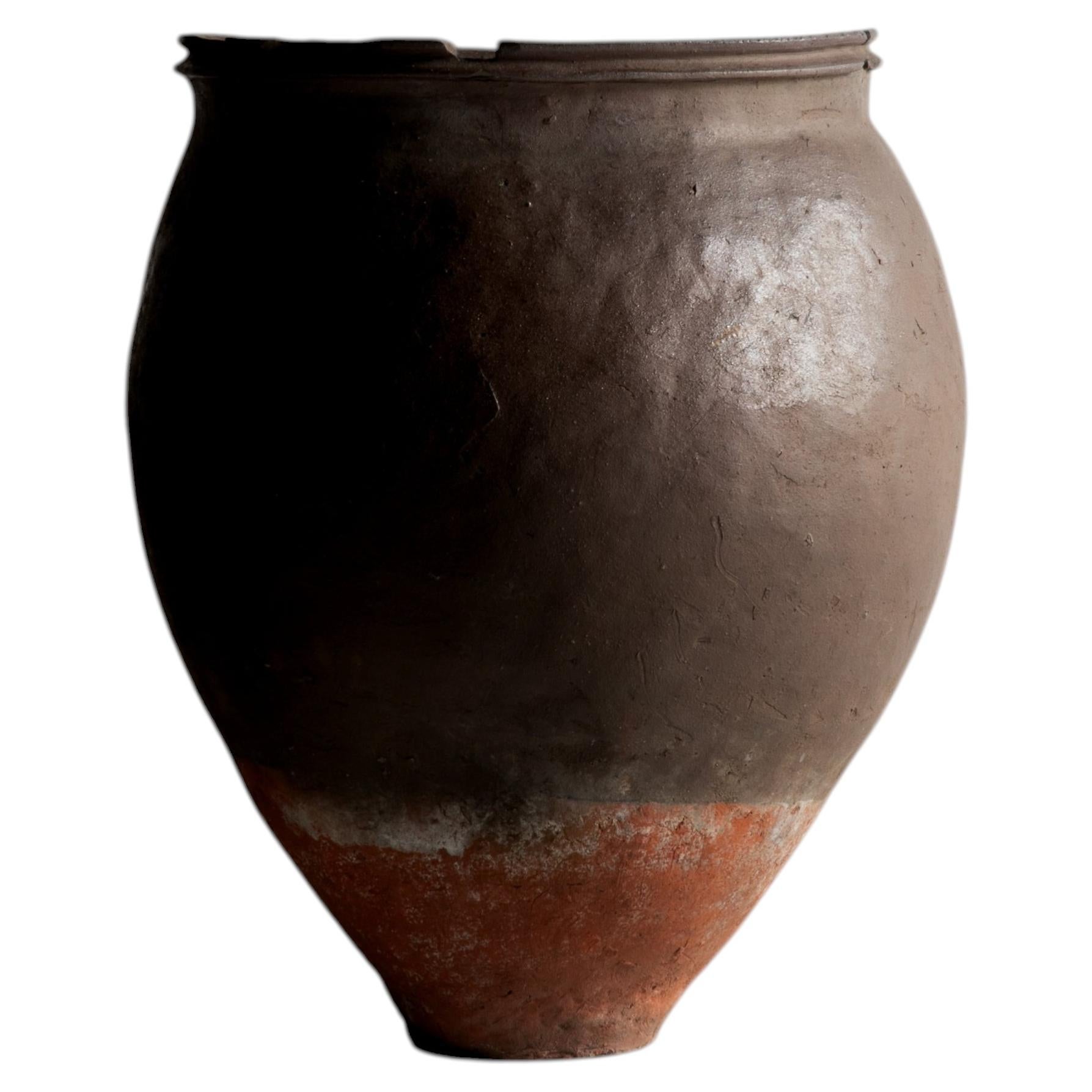
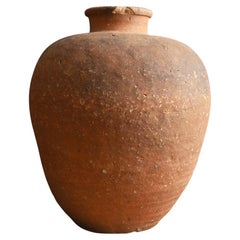
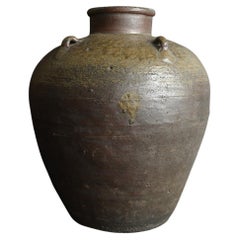
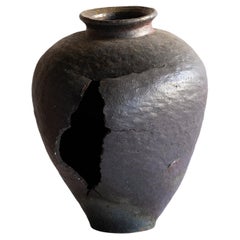
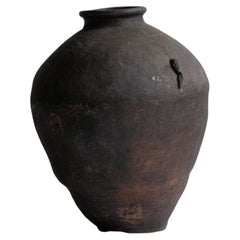
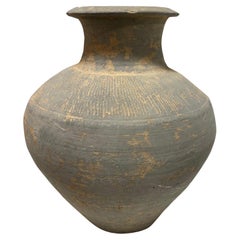
This is a Tokoname ware jar made in the Heian period, around the end of the 12th century. It comes with a wooden storage box. Tokoname ware is pottery that has been made on the Chita Peninsula in Aichi Prefecture since the late Heian period, and it is counted among the Six Ancient Kilns of Japan, some of the oldest kiln sites in the country. It is characterized by being fired at high temperature without glaze, and its charm lies in a simple, powerful, earthy texture. This jar is a type known as a "Kyozuka-tsubo" (sutra mound jar). In the late Heian period, it was widely believed in Japan that the "Age of Mappo," a time when the Buddha's teachings would decline and the world would fall into disorder, was approaching. People therefore copied precious sutras, placed them in containers such as jars, buried them in the ground, and built a small mound of earth over them, in an effort to preserve them into the distant future. This mound is called a "Kyozuka." A Kyozuka-tsubo is a jar made to hold sutras and be buried in the earth, and it has a strong religious character. Because it was made with the premise that it would be buried in the ground, the base narrows in this way. As for its shape, the mouth flares widely outward, the shoulders are broad, and from there the body tapers sharply toward the base. The overall silhouette is like an inverted triangle. It is relatively thinly made. Jars like this basically come to us as excavated items, so many are broken and missing various parts. For that reason, most have been put together by filling in the missing parts and restoring the form. This jar, however, is about 90 percent original, and the broken fragments have been joined with adhesive. It is in relatively good condition. Part of this jar has been repaired using a technique called "yobitsugi," in which a fragment of pottery from a different Tokoname jar is used to fill in the missing part. These joined areas are also a kind of scenery, and they deepen the wabi-sabi atmosphere. The surface has been carefully finished, but if you look closely, you will see that the outside of Tokoname jars is marked with fine, hairline-like comb marks. This is another characteristic of Tokoname ware. Its appeal is not the showy elegance of glazed pottery, but a calm, withered presence, a beauty that is completely different, one hundred and eighty degrees away. We think it will look best not in a luxurious space but in a quiet, calm one. The accompanying wooden box was made specifically for this jar. The word "壺" (jar) is written in ink on the front of the lid, and on the back is written the name of the place where it was excavated. The characters "松尾" (Matsuo) can be read, showing that it was excavated there. Unfortunately, however, we do not know which area this "Matsuo" refers to. It is not easy to obtain a jar from the Heian period. Jars of this era were made in considerable numbers at the time, but compared with later periods their number is small, and not many survive in good condition. As time went on, kiln technology improved and pottery came to be used for practical purposes, and the number of ceramics increased explosively. For that reason, this is a very valuable item. We obtained this jar from an acquaintance who is an antique dealer, who had treasured it. Please take this opportunity to display it in your space. Please do not pour water directly into it. Size: W35.3cm × D33.9cm × H36cm Weight: 6.75kg Item No.: PO402 [Our Social Role] -------------------------------------------------------------------------------------------------------- We are a specialized team dealing in antiques and vintage items, comprised of stores based on three distinct brands. While focusing on Japanese items, we also offer a carefully curated selection of attractive goods from around the world—each evoking the culture and history of its country of origin. Unlike the traditional Japanese antique furniture and art that have been appreciated overseas until now, we shine a light on the tools and furniture that were used for many years in ordinary Japanese homes and farmhouses. These objects have gained a unique charm over time, their beauty deepened by the history accumulated through daily life. In today's world, however, many of these precious items are discarded during home demolitions. We are committed to reassessing their value and passing them on to future generations. Drawing from our extensive experience—having seen tens of thousands of items through direct purchases, markets, and auction houses—we carefully select and present only the most captivating pieces. This is something made possible only through the years of knowledge and expertise we have cultivated. Rather than focusing on the widely known facets of Japanese art and culture, we highlight the subtle beauty born from the everyday life of common people. It is this rediscovered beauty, steeped in history, that we strive to share with the world.
  • Dimensions:
    Height: 14.18 in (36 cm)Width: 13.9 in (35.3 cm)Depth: 13.35 in (33.9 cm)
  • Style:
    Other (Of the Period)
  • Materials and Techniques:
  • Place of Origin:
  • Period:
  • Date of Manufacture:
    Late 12th Century
  • Condition:
    Replacements made. Repaired. Please be sure to read the description regarding the condition of the item. The broken fragments have been rejoined with adhesive, and part has been repaired by yobitsugi using a fragment of another Tokoname jar.
  • Seller Location:
    Sammu-shi, JP
  • Reference Number:
    Seller: PO4021stDibs: LU5487252397492

More From This Seller

View All
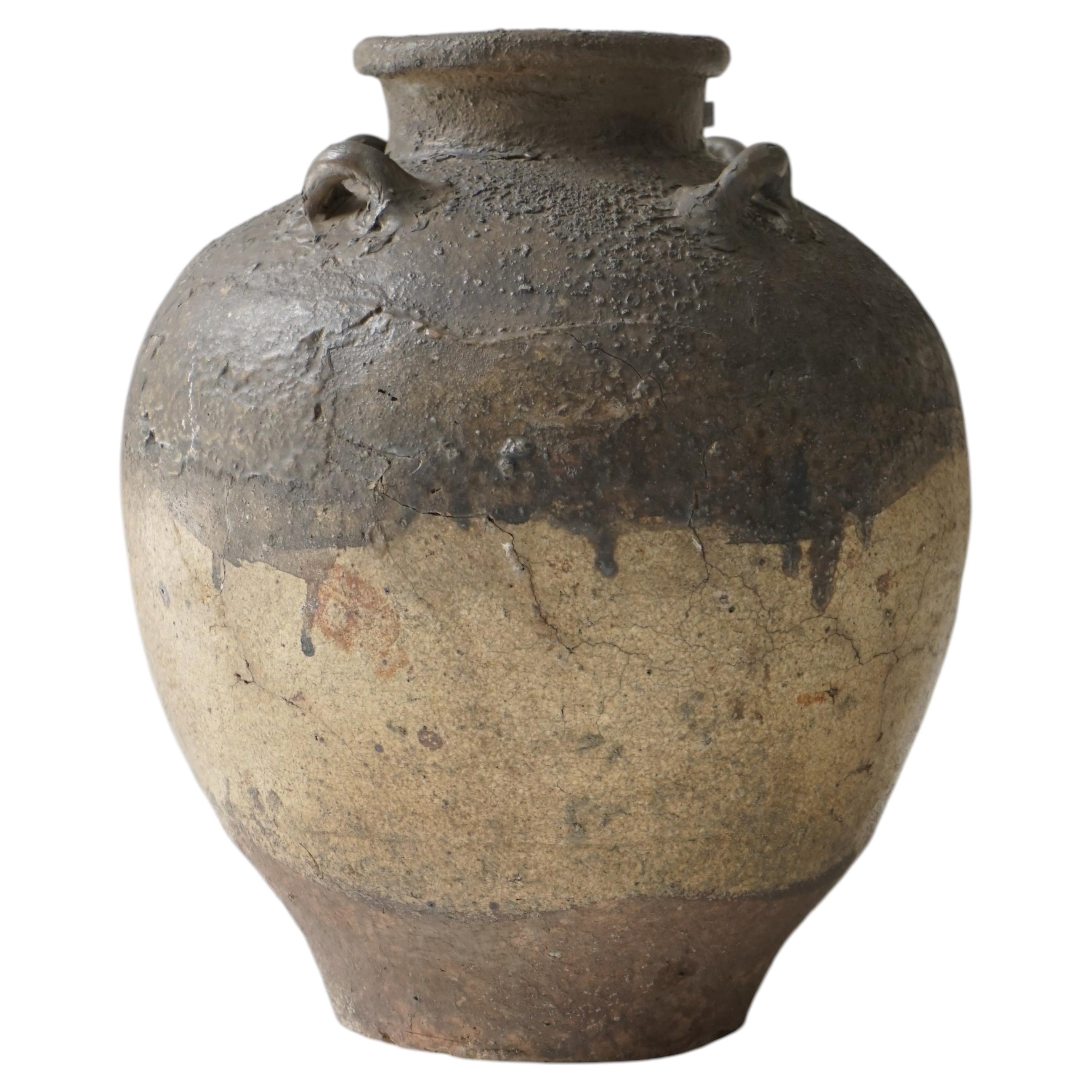
Antique Japanese ceramic small vase / Shigaraki ware / 16th century / Wabi-sabi

Antique Japanese ceramic small vase / Shigaraki ware / 16th century / Wabi-sabi

Located in Sammu-shi, Chiba

This is a Shigaraki ware jar made in Japan during the late Muromachi period (around the 16th century). Shigaraki ware is known as one of the Six Ancient Kilns of Japan and has been ...

Category

Antique 16th Century Japanese Other Jars

Materials

Pottery

Japanese Antique Large Pottery Vase late 19th early 20th century / Wabi Sabi /

Japanese Antique Large Pottery Vase late 19th early 20th century / Wabi Sabi /

Located in Sammu-shi, Chiba

This is a large antique Japanese ceramic jar, embodying a strong sculptural presence shaped by earth, fire, and the passage of time. It is believed to originate from the Tokoname re...

Category

Antique Late 19th Century Japanese Edo Vases

Materials

Pottery

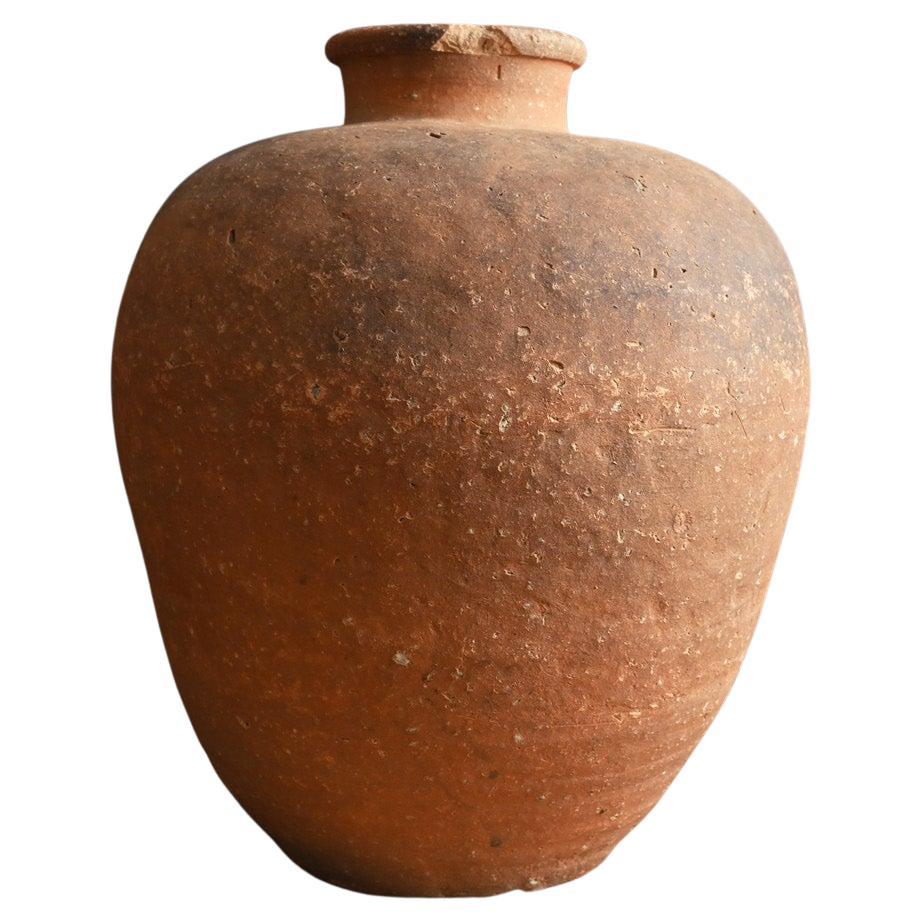
Japanese antique Shigaraki ware vase/withered wabi-sabi vase/16th century

Japanese antique Shigaraki ware vase/withered wabi-sabi vase/16th century

Located in Sammu-shi, Chiba

This is Shigaraki ware pottery made in Shiga Prefecture, Japan. Shigaraki ware is said to have been born in the Shigaraki region of Shiga Prefecture around the 8th century and is one...

Category

Antique 15th Century and Earlier Japanese Other Jars

Materials

Pottery

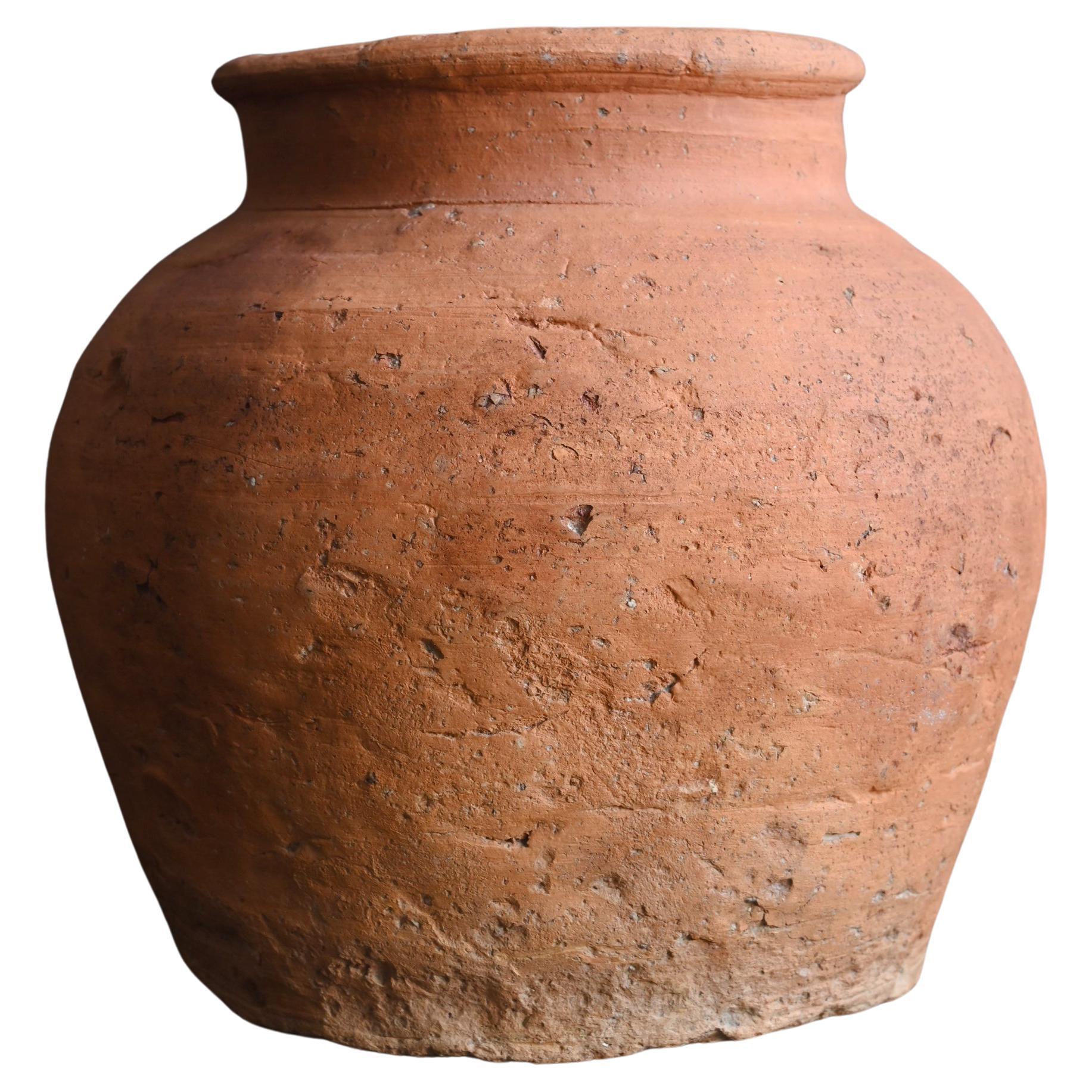
Japanese antique Bizen ware vase / 15th-16th century / Wabi-sabi vase/Tsubo

Japanese antique Bizen ware vase / 15th-16th century / Wabi-sabi vase/Tsubo

Located in Sammu-shi, Chiba

This Bizen ware jar was fired in the Bizen region of Okayama Prefecture. Bizen ware is one of Japan's Six Ancient Kilns and is known as one of the oldest pottery styles in Japan. Its...

Category

Antique 16th Century Japanese Other Vases

Materials

Pottery

Japanese Antique Pottery Jar 17th-18th Century/ Wabi-Sabi /Tokoname

Japanese Antique Pottery Jar 17th-18th Century/ Wabi-Sabi /Tokoname

Located in Sammu-shi, Chiba

Tokoname is a region in Aichi Prefecture, Japan, renowned as one of the country's oldest pottery centers, with a history dating back to the 12th century. This jar, despite cracking ...

Category

Antique Late 17th Century Japanese Edo Vases

Materials

Pottery

Japanese Antique Wabi-Sabi Edo Pottery Vase 18th Century / Tsubo

Japanese Antique Wabi-Sabi Edo Pottery Vase 18th Century / Tsubo

Located in Sammu-shi, Chiba

This is a very old ceramic vase made in Japan. It was made in the Edo period (1860s-1860s). It is called Shigaraki ware in Japan. This large vase was used to hold and carry tea leav...

Category

Antique Late 17th Century Japanese Edo Vases

Materials

Pottery

You May Also Like

Japanese Antique Ancient Sueki Sue Ware Wabi-Sabi Art Pottery Vase Storage Jar

Japanese Antique Ancient Sueki Sue Ware Wabi-Sabi Art Pottery Vase Storage Jar

Located in Studio City, CA

A wonderful, unique, and handcrafted piece of ancient Japanese Sueki Sue ware pottery dating back to the 500-600s (6th-7th century). Sueki/ Sue pottery was a blue-gray form of stonew...

Category

Antique 15th Century and Earlier Japanese Ceramics

Materials

Pottery, Stoneware

19th Japanese antique Tsubo, paper covered pottery vase wabi sabi pot, wood lid

19th Japanese antique Tsubo, paper covered pottery vase wabi sabi pot, wood lid

Located in 常陸大宮市, JP

This Tsubo, pottery Jar is a product of, at least late Edo era (estimate 1840s-1860) estimate from the style & condition. Especially, The lid is made from wood, has a good amount...

Category

Antique Late 19th Century Japanese Edo Vases

Materials

Ceramic, Porcelain, Paper

Japanese Antique Edo Wabi-Sabi Shigaraki Tamba Tanba Art Pottery Jar Tsubo Vase

Japanese Antique Edo Wabi-Sabi Shigaraki Tamba Tanba Art Pottery Jar Tsubo Vase

Located in Studio City, CA

A beautiful Tamba (Tanba) ware (or Sigaraki ware) Japanese pottery vase/jar/pot - produced sometime during the Edo Period (1603-1867). Tamba-yaki ware is a type of Japanese pottery a...

Category

Antique 18th Century Japanese Edo Ceramics

Materials

Pottery, Stoneware

Japanese Antique Edo Large Echizen Wabi-Sabi Art Pottery Jar Tsubo Ikebana Vase

Japanese Antique Edo Large Echizen Wabi-Sabi Art Pottery Jar Tsubo Ikebana Vase

Located in Studio City, CA

A gorgeous, quite large, beautifully shaped and textured antique Japanese Echizen ware pottery tsubo jar/vase/pot - made sometime during the Edo Period (1603-1868). Echizen ware is...

Category

Antique 18th Century Japanese Edo Ceramics

Materials

Pottery, Stoneware

Japanese Antique Ancient Sueki Sue Ware Wabi-Sabi Pottery Vase Pot Vessel

Japanese Antique Ancient Sueki Sue Ware Wabi-Sabi Pottery Vase Pot Vessel

Located in Studio City, CA

A wonderful, unique, and handcrafted piece of ancient Japanese Sueki Sue ware pottery dating back to the 500-600s (6th-7th century). Sueki/ Sue pottery was a blue-gray form of stonew...

Category

Antique 15th Century and Earlier Japanese Ceramics

Materials

Pottery, Stoneware