Want more images or videos?
Request additional images or videos from the seller.

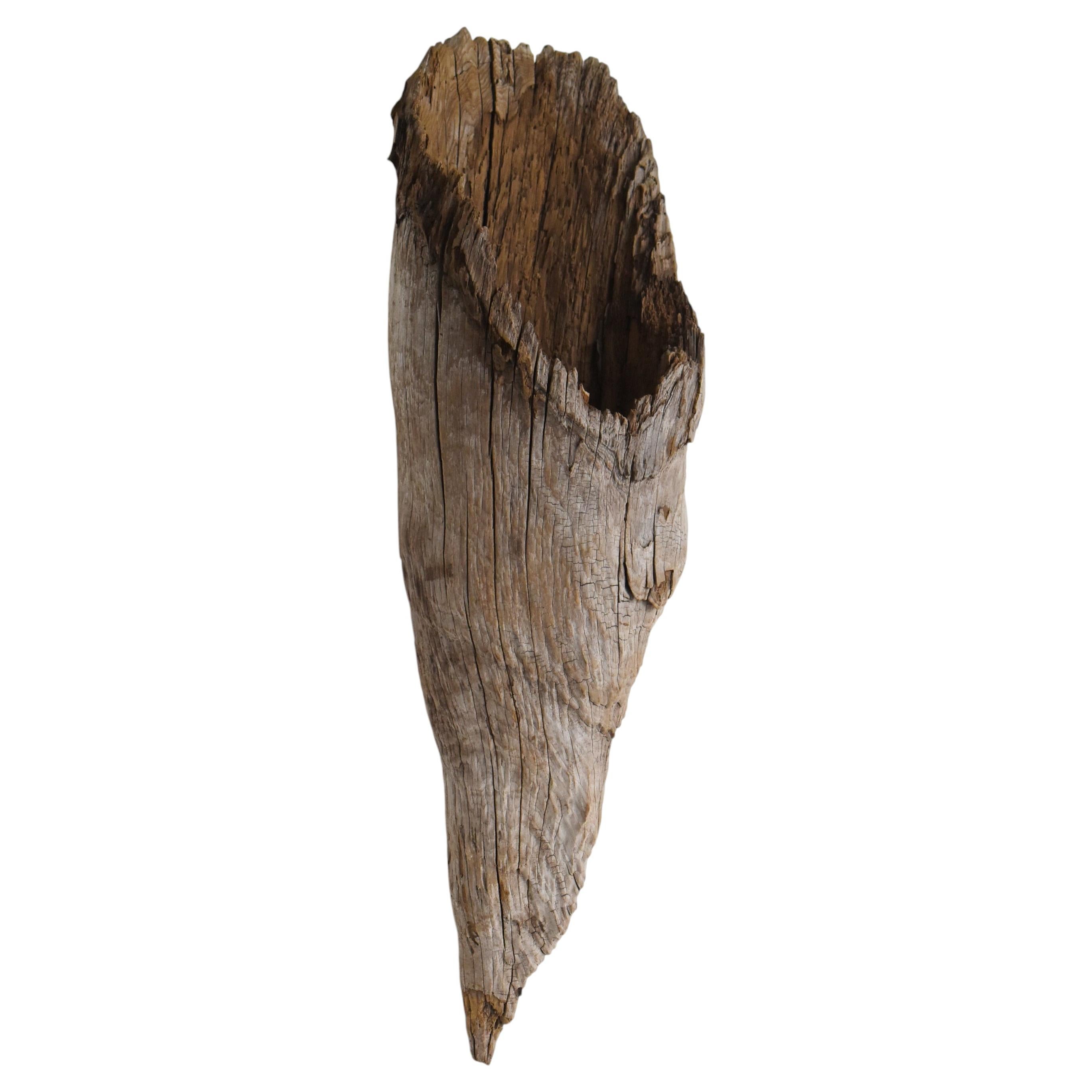
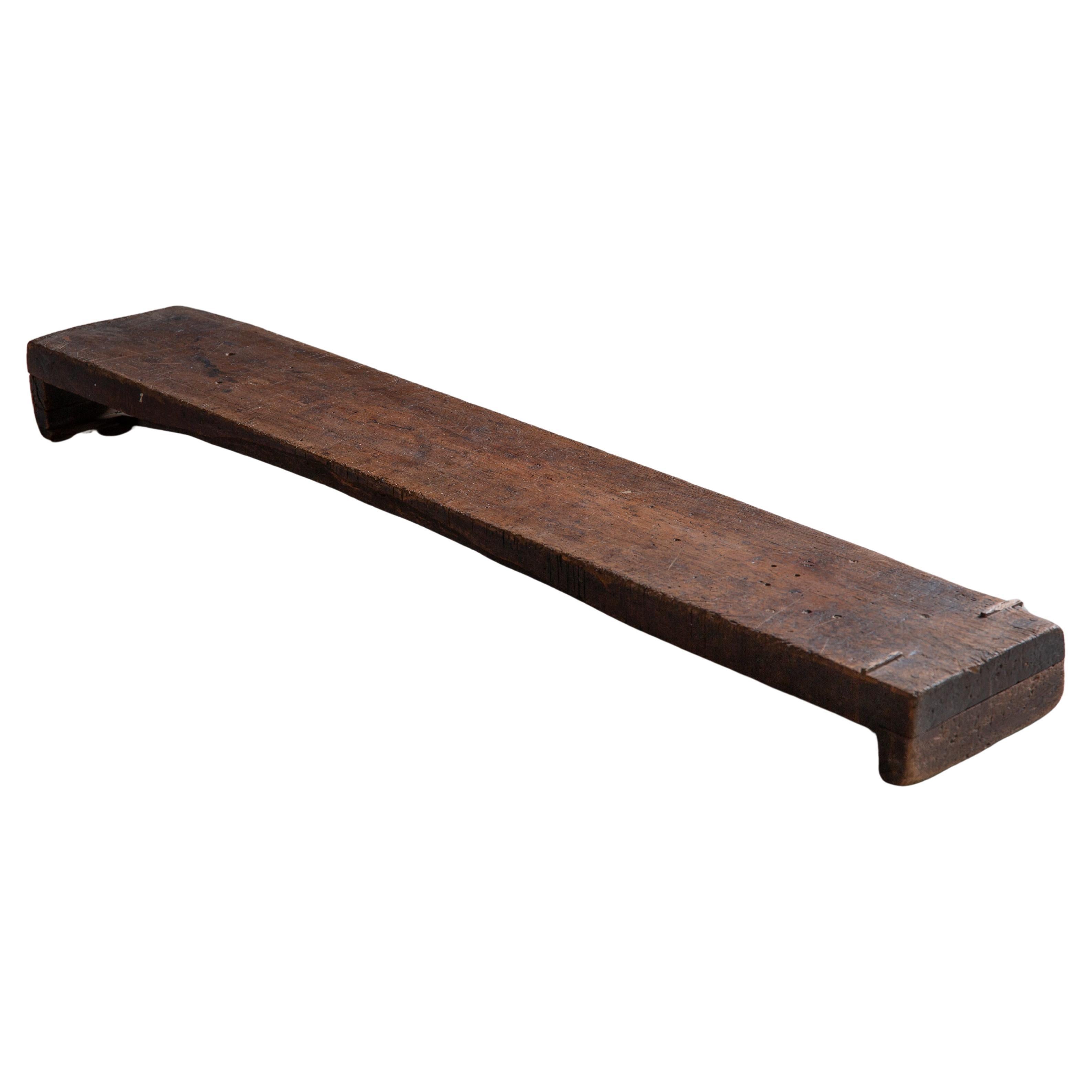
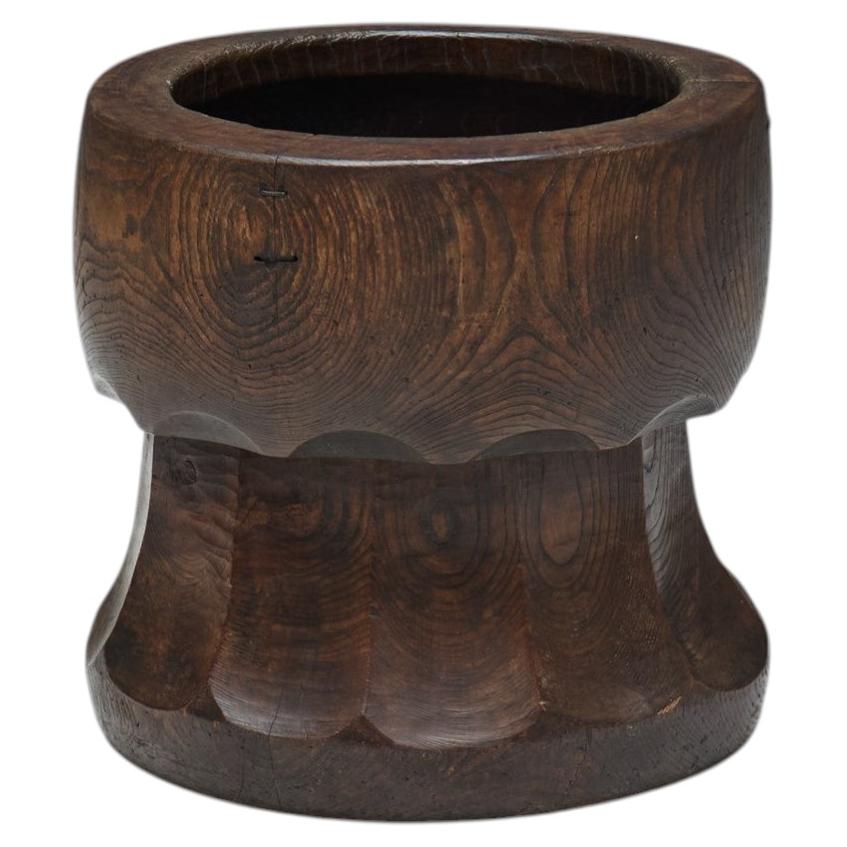
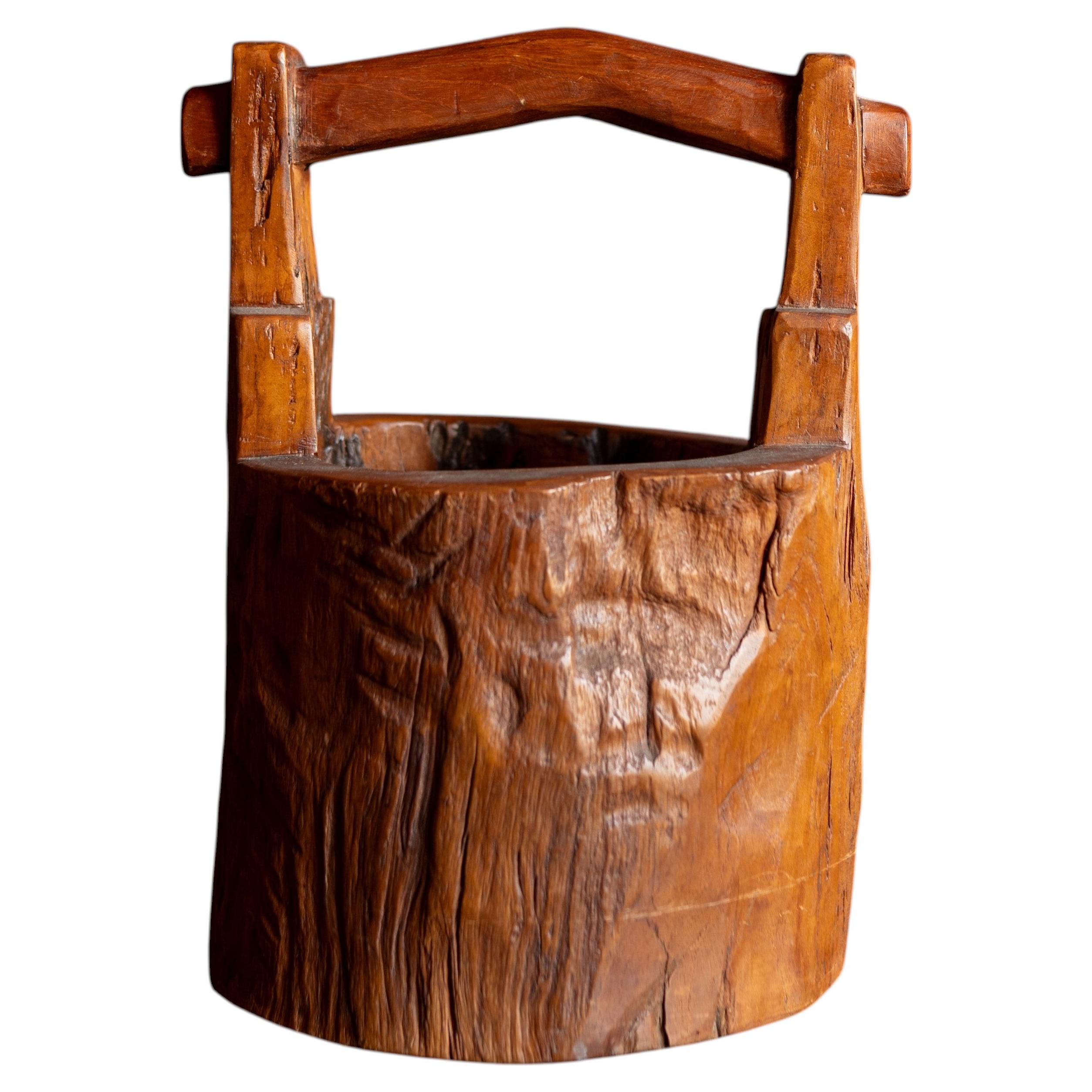
Japanese Sculptural Wood Object, Jizaikagi Kettle Hanger, Early 20th Century

$640
£493.32
€590.12
CA$930.73
A$959.51
CHF 545.19
MX$12,145.70
NOK 6,243.17
SEK 6,540.49
DKK 4,411.47

About the Item

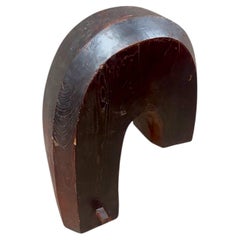
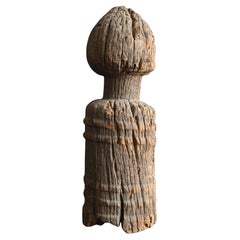
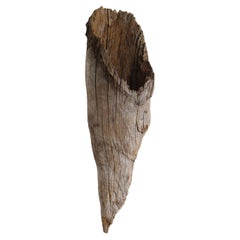
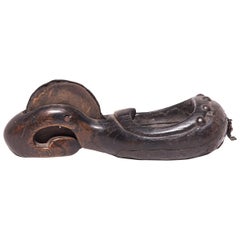
Japanese wooden element from a traditional jizaikagi, a suspended device historically used above an irori hearth to hold and adjust the height of a kettle or cooking pot. Hand-carved from a substantial piece of wood, the object has developed a deeply textured, darkened surface through age and prolonged exposure to smoke and heat. Its curved, almost abstract silhouette gives the piece a distinctly sculptural presence. No longer presented as a functional hearth fitting, it works beautifully as a standalone decorative object or example of Japanese mingei and vernacular craftsmanship. The irregularities, wear, cracks and traces of use are retained as part of its original character and history.
  • Dimensions:
    Height: 14.97 in (38 cm)Width: 20.08 in (51 cm)Depth: 7.68 in (19.5 cm)
  • Materials and Techniques:
  • Place of Origin:
  • Period:
  • Date of Manufacture:
    1910s
  • Condition:
    Wear consistent with age and use. Minor losses.
  • Seller Location:
    Tokyo, JP
  • Reference Number:
    1stDibs: LU2614351915192

More From This Seller

View All
Japanese Carved Wooden Vessel, Wabi Sabi, Japan, 20th Century

Japanese Carved Wooden Vessel, Wabi Sabi, Japan, 20th Century

Located in Tokyo, Tokyo

A finely carved Japanese wooden flower vessel in the form of a traditional bucket (oke). Once associated with the aesthetics of tea culture and seasonal flower display, this piece em...

Category

Early 20th Century Japanese Vases

Materials

Wood

Hook-Handled Wooden Ladle with Sculptural Form, 20th Century

Hook-Handled Wooden Ladle with Sculptural Form, 20th Century

Located in Tokyo, Tokyo

An exceptional hand-carved wooden ladle with a distinctive curved hook handle, possibly designed to hang from a belt or a kitchen beam. The deep bowl and elegant curvature suggest us...

Category

20th Century European Sculptures and Carvings

Materials

Wood

Antique Japanese Koma-Inu Head - Sculpture, 19th Century / Mingei sculpture

Antique Japanese Koma-Inu Head - Sculpture, 19th Century / Mingei sculpture

Located in Tokyo, Tokyo

This expressive carved wooden head represents a Koma-Inu — the mythical lion-dog guardians traditionally placed at the entrances of Shinto shrines to ward off evil spirits. Whether ...

Category

Antique Late 19th Century Japanese Animal Sculptures

Materials

Wood

Large Wooden Object, France, Wabi Sabi,  circa 1900

Large Wooden Object, France, Wabi Sabi, circa 1900

Located in Tokyo, Tokyo

An expressive wooden form with a strong sculptural presence. Its dark, timeworn surface reveals natural textures and cracks, evoking the quiet beauty of age and material transformati...

Category

Early 20th Century French Decorative Art

Materials

Wood, Walnut

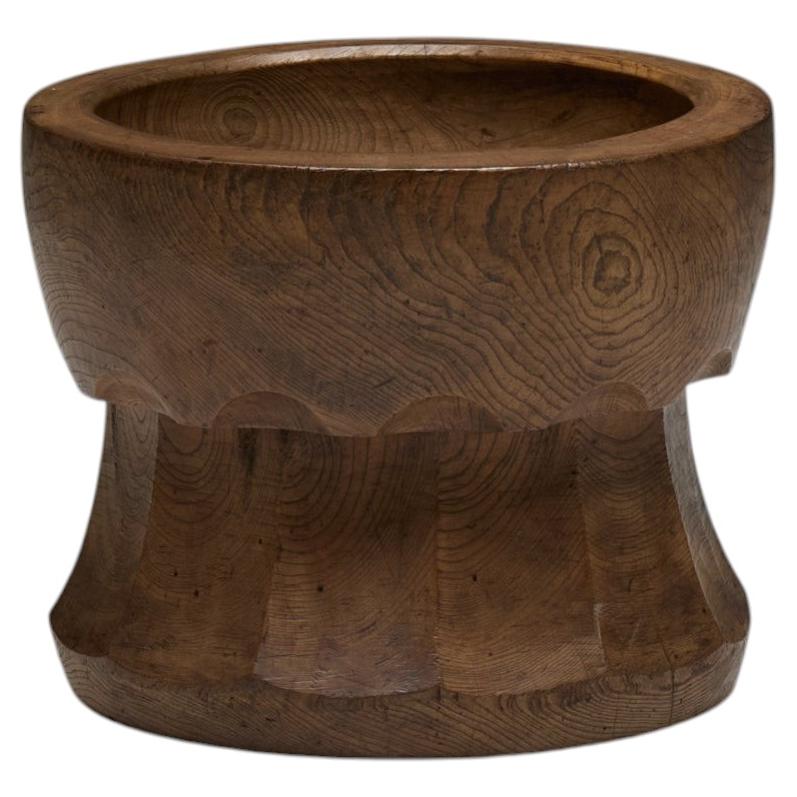
"Usu", Hand-carved, Wabi-sabi, Early 20th Century, Japan

"Usu", Hand-carved, Wabi-sabi, Early 20th Century, Japan

Located in Tokyo, Tokyo

"Usu" is a traditional Japanese tool with a deep cultural significance, particularly in the culinary arts. This unique item typically features a large wooden or stone bowl with a fla...

Category

Early 20th Century Japanese Folk Art Antiquities

Materials

Wood

Antique Japanese "Wagasa" Umbrella, 20th Century

Antique Japanese "Wagasa" Umbrella, 20th Century

Located in Tokyo, Tokyo

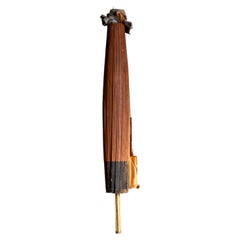
This handcrafted traditional Japanese umbrella, made of bamboo and washi paper, carries the quiet beauty of age and imperfection. Its weathered texture and graceful form bring a sens...

Category

20th Century Japanese Antiquities

Materials

Paper

You May Also Like

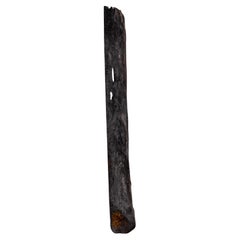
19th Century Japanese Jizai Kagi (Hearth Hook) Segment

19th Century Japanese Jizai Kagi (Hearth Hook) Segment

Located in Los Angeles, CA

This architectural element is a section of a Jizai Kagi, a traditional Japanese adjustable hearth hook used to suspend iron kettles or pots over an open irori (sunken hearth). Carved...

Category

Antique 19th Century Japanese Edo Antiquities

Materials

Wood

Swedish Wooden Hook, circa 1880s

Swedish Wooden Hook, circa 1880s

Located in Farsta, SE

Swedish Wooden Hook, circa 1880s Most likely used for hanging hay and has a beautiful smooth patina. Made out of pine wood. Heigth: 33 cm/12.9 inch Depth: 5 cm/1.9 inch Width: 14....

Category

Antique 1880s Swedish Scandinavian Modern Decorative Art

Materials

Iron

Japanese Antique Keyaki Low Display Stand, Sculptural Wabi-Sabi, c.1900–1920

Japanese Antique Keyaki Low Display Stand, Sculptural Wabi-Sabi, c.1900–1920

Located in 常陸大宮市, JP

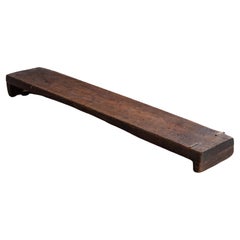
Dating from the late Meiji to Taisho period, circa 1900–1920, this Japanese antique low stand is crafted entirely from solid keyaki (zelkova), featuring a thick single-board top and ...

Category

Early 20th Century Japanese Primitive Abstract Sculptures

Materials

Wood

Antique Japanese wooden ornamental railing top "Giboshi" / 19th century

Antique Japanese wooden ornamental railing top "Giboshi" / 19th century

Located in Sammu-shi, Chiba

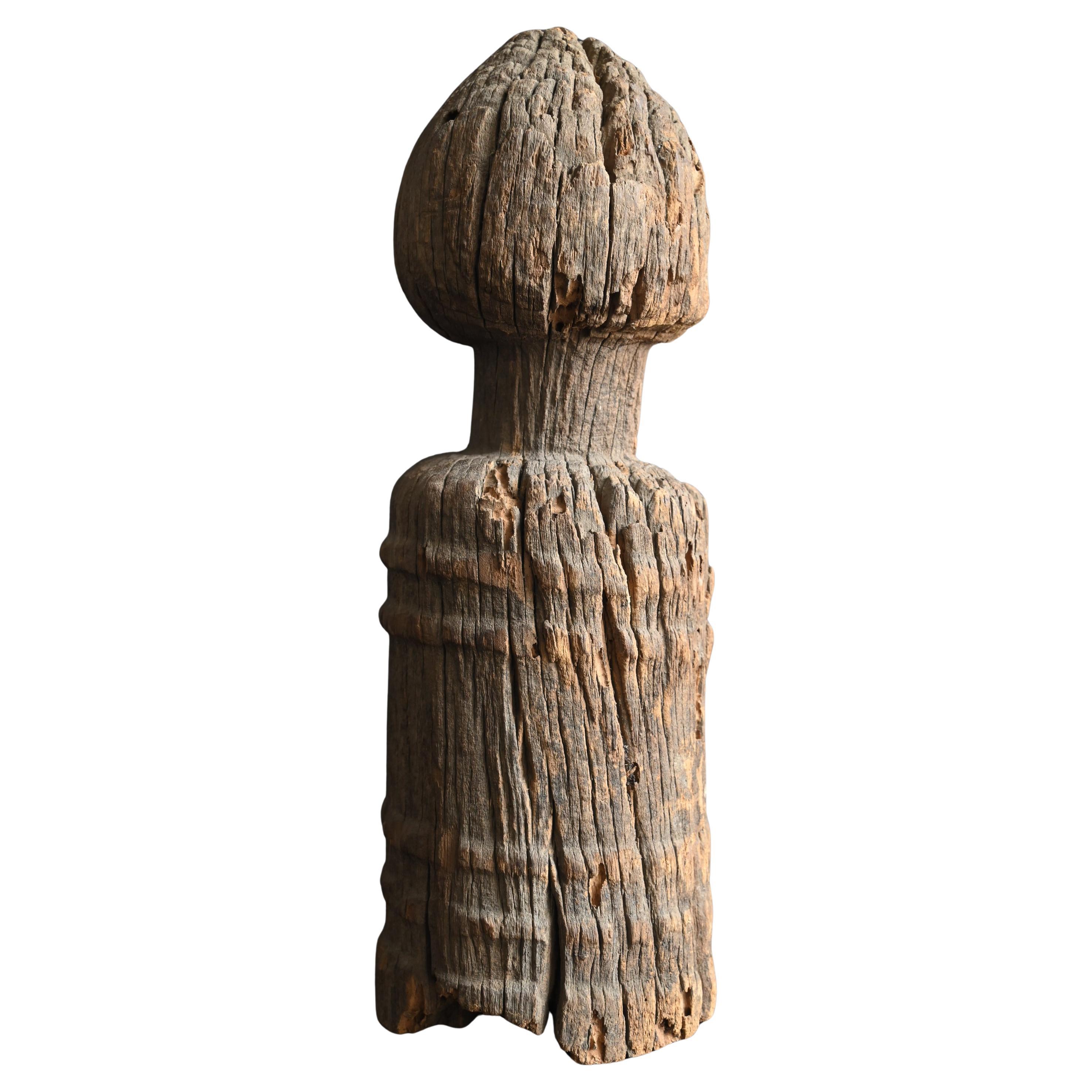
This is a wooden **giboshi**, originally attached to the balustrade (koran) of a bridge or architectural structure. A *giboshi* is the ornamental “finial” placed on top of balustrade posts. While metal examples are widely known, there are also rare cases such as this one that were crafted from wood. They were used on bridges, temple and shrine architecture, and gates, serving to create a sense of boundary and dignity within a space. The design is said to originate from the image of the *hoju* (sacred wish-fulfilling jewel) seen in Buddhist architecture and ornamentation. A giboshi is not merely decorative; it has been regarded as a symbolic element that protects and spiritually defines a place. Based on its form and texture, this piece is estimated to date from the late Edo period to the Meiji period. Judging from the material quality, it is likely made from a dense hardwood, possibly zelkova (keyaki). Having been exposed to wind and rain for many years, the surface has developed a deeply weathered and dried expression. The parched wood grain, raised fibers, and naturally formed cracks all speak to the accumulation of time, giving the piece a sculptural presence. The rounded cap flowing into the strong vertical lines of the body creates a beautiful proportion—folk in spirit, yet somewhat primitive in character. This weathered texture should not be seen as deterioration, but rather as a beauty completed through the passage of time. Its quiet presence evokes wabi-sabi—an expression that cannot be reproduced through modern processing, but only formed by authentic aging. The size strikes an exquisite balance—neither too large nor too small. While easy to place, it creates a strong visual anchor within a space. Simply placing it alone on a shelf or sideboard gives it the presence of a sculptural object. In an entryway or alcove, it becomes a quiet symbolic accent. Positioned against a white or concrete wall, the contrast of materials becomes striking; paired with reclaimed wood furniture...

Category

Antique Late 19th Century Japanese Edo Sculptures and Carvings
Materials

Wood

Japanese Old Sculptural Weathered Wood Wall Vase 1950s-1970s / Wabisabi

Japanese Old Sculptural Weathered Wood Wall Vase 1950s-1970s / Wabisabi

Located in Chōsei District Nagara, JP

This is an antique Japanese wall-mounted wooden flower vase, believed to have been made during the mid-Showa period (1950s–1970s). Although the exact type of wood remains unidentifie...

Category

Vintage 1950s Japanese Primitive Wall-mounted Sculptures

Materials

Iron

Chinese Carpenter's Inkline Reel, c. 1850

Chinese Carpenter's Inkline Reel, c. 1850

Located in Chicago, IL

Given the beauty and thoughtful design of traditional Chinese furniture, it’s no wonder that Qing-dynasty carpenter’s tools were accorded the same att...

Category

Antique Mid-19th Century Chinese Qing Mounted Objects

Materials

Iron