Carlos Merida Art

to
5
5
5
5
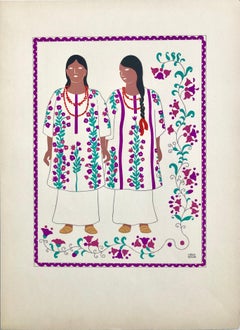
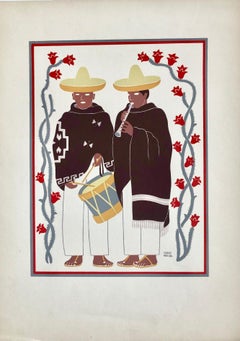
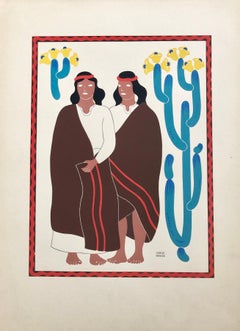
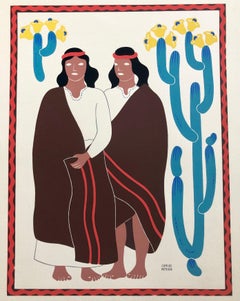
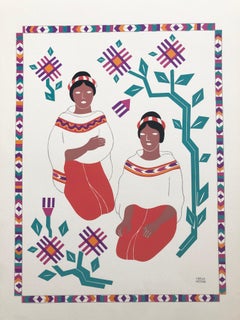
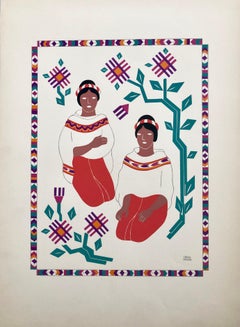
1945 Mexican Modernist Silkscreen Serigraph Print Regional Folk Art Dress Mexico

1945 Mexican Modernist Silkscreen Serigraph Print Regional Folk Art Dress Mexico

By Carlos Merida 1

Located in Surfside, FL

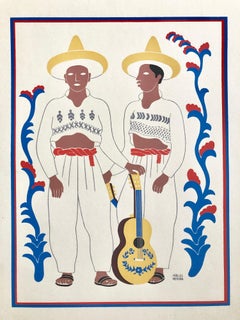
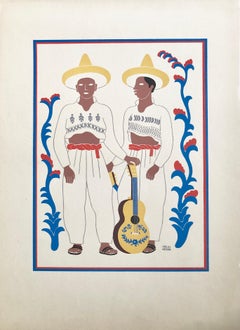
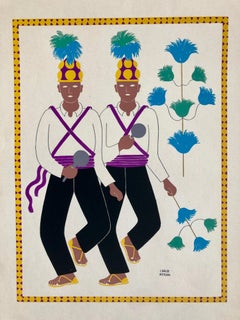
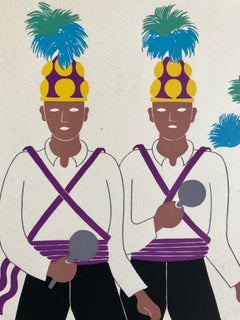
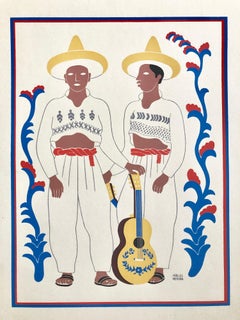
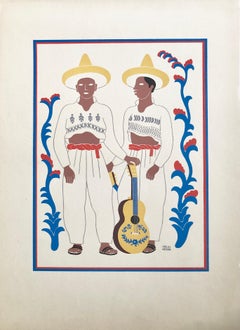
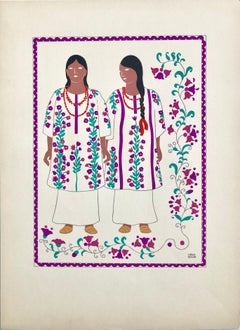
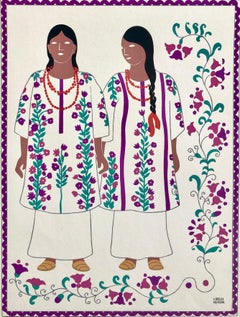
This listing is for the one Silkscreen serigraph piece listed here. Mexico City, 1945. First edition. plate signed, limited edition of 1000, these serigraph plates depict various types of traditional and folk art indigenous clothing...

Category

1940s Folk Art Carlos Merida Art

Materials

Screen

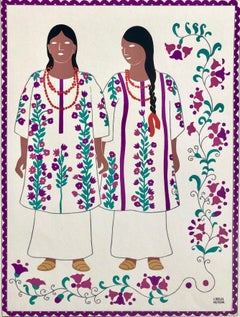
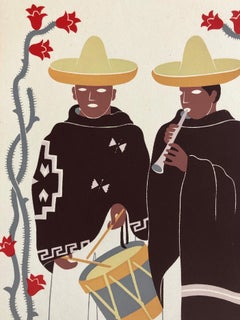
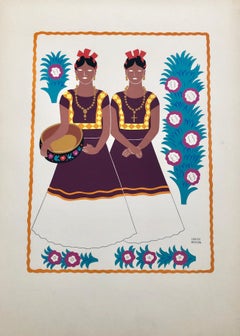
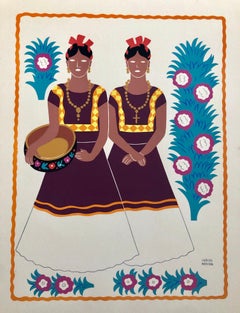
1945 Mexican Modernist Silkscreen Serigraph  Print Regional Dress Carlos Merida

1945 Mexican Modernist Silkscreen Serigraph Print Regional Dress Carlos Merida

By Carlos Merida 1

Located in Surfside, FL

This listing is for the one Silkscreen serigraph piece listed here. Mexico City, 1945. First edition. plate signed, limited edition of 1000, these serigraph plates depict various types of traditional and folk art indigenous clothing...

Category

1940s Folk Art Carlos Merida Art

Materials

Screen

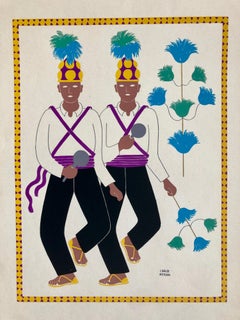
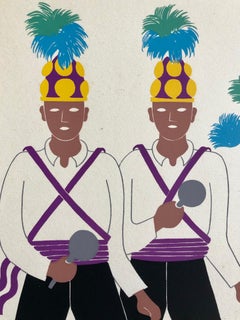
1945 Mexican Modernist Silkscreen Serigraph Print Regional Folk Art Dress Mexico

1945 Mexican Modernist Silkscreen Serigraph Print Regional Folk Art Dress Mexico

By Carlos Merida 1

Located in Surfside, FL

This listing is for the one Silkscreen serigraph piece listed here. Mexico City, 1945. First edition. plate signed, limited edition of 1000, these serigraph plates depict various types of traditional and folk art indigenous clothing...

Category

1940s Folk Art Carlos Merida Art

Materials

Screen

Related Items
Kerry James Marshall - Keeping the Culture, silkscreen and linocut, Signed/N

Kerry James Marshall - Keeping the Culture, silkscreen and linocut, Signed/N

By Kerry James Marshall

Located in New York, NY

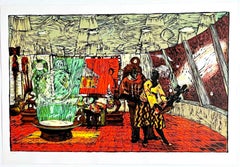
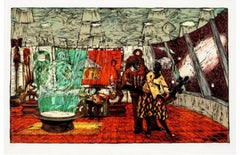
Kerry James Marshall Keeping the Culture, 2011 Silkscreen and linocut in colors with full margins and deckled edges on Arches paper with full margins and deckled edges 20-1/4 x 30-1/4 inches Hand signed, titled and numbered 79/100 by Kerry James Marshall in graphite pencil on the front Published by Africa House International, Chicago Unframed In September, 2025, "Kerry James Marshall: The Histories" opened at the Royal Academy of Arts in London. This major exhibition was the largest presentation of Marshall's work in the United Kingdom and Europe, and featured more than 70 works by the the artist, including a large number of paintings and a selection of prints, drawings and sculptures. Highlights of the show include a new series of paintings that explore the transatlantic slave trade, along with Knowledge and Wonder, a mural commissioned in 1995 by the Chicago Public Library that is the largest painting Marshall has produced. The exhibition at the Royal Academy will then travel to the Kunsthaus Zurich and the Musee d'Art Modern in Paris. Kerry James Marshall's 2011 "Keeping the Culture" is based upon the artist's eponymous painting done the year earlier, which is featured in the Royal Academy Exhibition. In 2013, an original painting, upon which this work is based, sold at Christie's auction. Below is the Christie's Lot Essay for that painting: ..." Set in a revolutionary apartment in the cosmos, Kerry James Marshall's Keeping the Culture optimistically anticipates a future that pays homage to the past. Ushering in a new stage of the artist's output, Keeping the Culture shifts focus from the failed utopia of urban renewal and the commemoration of civil rights era heroes in favor of a more technically refined meditation on the preservation of the traditional and spiritual values that shaped a culture. Placed in an ultramodern environment, two siblings marvel at a projection of the earth--in which Marshall has aptly positioned the African continent toward the viewer-while their affectionate parents dance in the foreground. Overlooking the milky way, Marshall's space-age flat is decorated with earthly relics-wooden tribal sculptures...

Category

2010s Contemporary Carlos Merida Art

Materials

Mixed Media, Pencil, Linocut, Screen

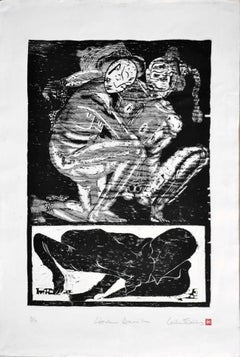
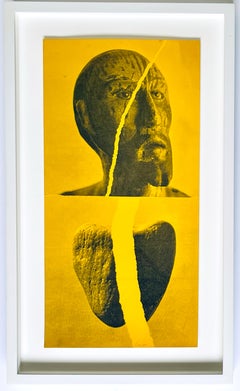
"Copula Amarilla" - Figurative Abstract Woodcut 3/10

Cecelia Sánchez Duarte"Copula Amarilla" - Figurative Abstract Woodcut 3/10, 1990

$1,050Sale Price|30% Off

H 44.5 in W 30.25 in D 0.07 in

"Copula Amarilla" - Figurative Abstract Woodcut 3/10

By Cecelia Sánchez Duarte

Located in Soquel, CA

Figurative abstract wood cut print titled "Copula Amarilla" by Cecelia Sánchez Duarte. Pencil signed with edition number "3/10", title, and signature bottom margin. Image, 31.25"H x ...

Category

1990s Folk Art Carlos Merida Art

Materials

Archival Paper, Woodcut

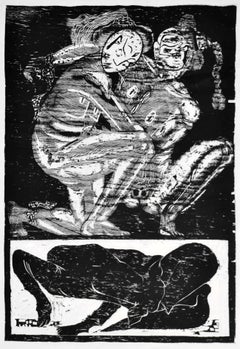
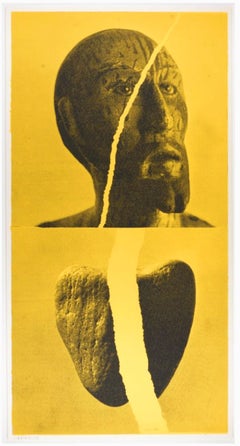
The Couple - Figurative Abstract Woodcut

Cecelia Sánchez DuarteThe Couple - Figurative Abstract Woodcut, 1990

$1,050Sale Price|30% Off

H 44.25 in W 30 in D 0.07 in

The Couple - Figurative Abstract Woodcut

By Cecelia Sánchez Duarte

Located in Soquel, CA

Figurative abstract woodcut print titled "Copula Negra" circa 1990, by Cecelia Sánchez Duarte. Pencil signed with "P/A" (Artist Proof), title, and signature bottom margin. Image, 31....

Category

1990s Folk Art Carlos Merida Art

Materials

Archival Paper, Woodcut

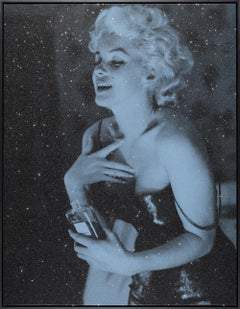
"Marilyn Chanel Diamond (Marmont Blue)" hand-pulled screen print on linen

"Marilyn Chanel Diamond (Marmont Blue)" hand-pulled screen print on linen

By Russell Young

Located in Boca Raton, FL

"Marilyn Chanel Diamond (Marmont Blue)" acrylic, oil-based ink and diamond dust hand-pulled screen print on linen by artist Russell Young. Depicts Marilyn Monroe holding a bottle of ...

Category

2010s Contemporary Carlos Merida Art

Materials

Linen, Ink, Screen

Sister Corita - Sacred Heart from A Set of Heroes and Sheroes- Silkscreen Signed

Sister Corita - Sacred Heart from A Set of Heroes and Sheroes- Silkscreen Signed

By Corita Kent

Located in New York, NY

Sister Mary Corita Kent (Sister Corita) Sacred Heart, from A Set of Heroes and Sheroes Silkscreen on fine art paper Signed 'Corita' on the front Limited Edition of approx. 200 (unnum...

Category

1960s Pop Art Carlos Merida Art

Materials

Screen

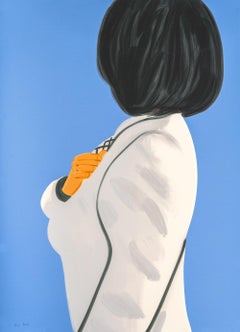
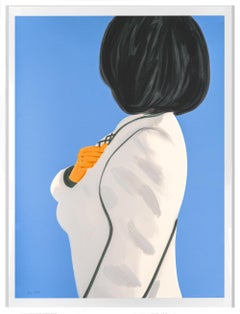
Vivien in White Coat, 2021

Vivien in White Coat, 2021

By Alex Katz

Located in Palo Alto, CA

Alex Katz Vivien in White Coat, 2021 is a work of subtle admiration that the artist holds for her daughter-in-law, Vivien Bittencourt. The gentle hues...

Category

2010s Contemporary Carlos Merida Art

Materials

Screen

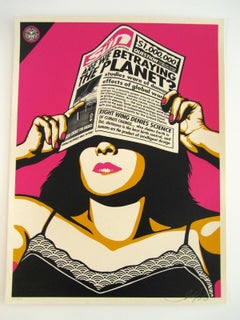
Global Warning - Global Warming (Andy Warhol museum Edition) - Signed/N politics

Global Warning - Global Warming (Andy Warhol museum Edition) - Signed/N politics

By Shepard Fairey

Located in New York, NY

SHEPARD FAIREY Global Warning - Global Warming (Andy Warhol Edition), 2009 Silkscreen on wove paper 24 × 18 inches Pencil signed and numbered 264/450 on the front Unframed Global War...

Category

Early 2000s Pop Art Carlos Merida Art

Materials

Screen

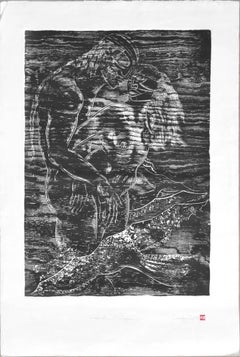
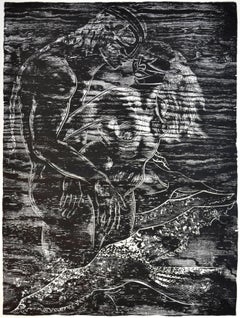
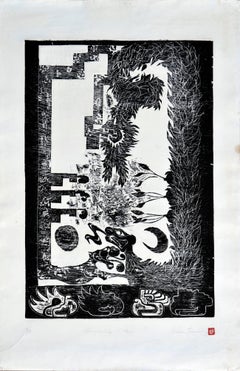
Serpientes Cafe - Woodcut Print, Figurative Abstract, Artist Proof, 1990s

Serpientes Cafe - Woodcut Print, Figurative Abstract, Artist Proof, 1990s

By Cecelia Sánchez Duarte

Located in Soquel, CA

Figurative abstract woodcut print titled "Serpientes Cafe" by Cecelia Sánchez Duarte. Pencil signed with "P/A" (Artist Proof), title, and signature bottom margin. Image, 31"H x 23.25"W. Sanchez Duarte is a visual artist and a cultural activist. Cecelia also teaches Art History at Escuela Profesional de Danza de Mazatlán, is the Fine Arts Coordinator at Centro Municipal de Artes, cofounder of the new Técnico en Artes Plásticas and founder of a painting workshop for children. She has had more than 300 collective exhibits internationally as well as 17 solo shows. Cecelia Sánchez Duarte lives in Mazatlán, Mexico. Cecilia Sánchez Duarte became the new director of the Art Museum of Mazatlan in 2017. Cecilia Sanchez Duarte works in printmaking at the Taller Experimental de Estampa Jose Guadalupe Posada...

Category

1990s Folk Art Carlos Merida Art

Materials

Archival Paper, Woodcut

Paul Mann - Frankenstein - Contemporary Cinema Movie Posters

Paul Mann - Frankenstein - Contemporary Cinema Movie Posters

By Paul Mann

Located in Asheville, NC

Frankenstein Frankenstein is a 1931 American science fiction horror film directed by James Whale, produced by Carl Laemmle Jr., and adapted from a 1927 play by Peggy Webling, which in turn was based on Mary Shelley's 1818 novel Frankenstein; or, The Modern Prometheus. Frankenstein stars Colin Clive as Henry Frankenstein, an obsessed scientist who digs up corpses with his assistant in order to assemble a living being from body parts. The resulting creature, often known as Frankenstein's monster, is portrayed by Boris Karloff. The make-up for the monster was provided by Jack Pierce. Alongside Clive and Karloff, the film's cast also includes Mae Clarke, John Boles, Dwight Frye, and Edward Van Sloan. Artist: Mann, Paul Edition Details Year: 2020 Class: Cinema Status: Official Released: 07/14/20 Run: 165 Technique: Offset Lithograph Paper: 300gsm archival paper Size: 24 X 36 Markings: Numbered About Artist: For more than 40 years, Paul Mann...

Category

2010s Contemporary Carlos Merida Art

Materials

Archival Paper, Color, Digital, Laser, Giclée, Pigment, Archival Pigment...

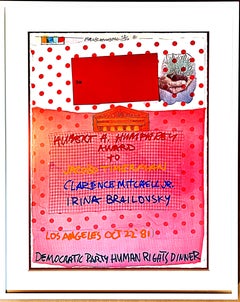
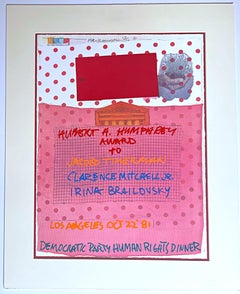
Robert Rauschenberg - Human Rights Democratic Dinner Collage Print Signed Framed

Robert Rauschenberg - Human Rights Democratic Dinner Collage Print Signed Framed

By Robert Rauschenberg

Located in New York, NY

Robert Rauschenberg Human Rights Award, 1981 Silkscreen and Lithograph with Collage Embossing on Hodgkins Handmade Paper Pencil signed and numbered 73/100 on the front Published by ...

Category

1980s Abstract Carlos Merida Art

Materials

Lithograph, Screen, Mixed Media

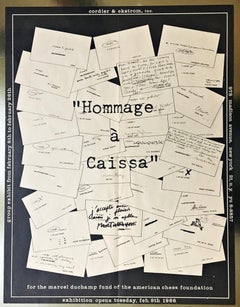
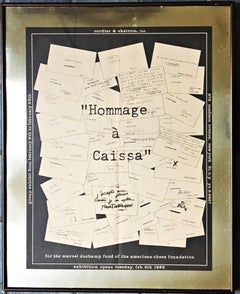
Hommage a Caissa (for the Marcel Duchamp Fund of the American Chess Foundation)

Hommage a Caissa (for the Marcel Duchamp Fund of the American Chess Foundation)

By Marcel Duchamp

Located in New York, NY

Marcel Duchamp Hommage a Caissa (for the Marcel Duchamp Fund of the American Chess Foundation), 1966 Silkscreen Poster with Gold Matting Frame included Very scarce 1960s collectors i...

Category

1960s Dada Carlos Merida Art

Materials

Screen

Jonas Wood - VOTE limited edition political silkscreen Signed/N with basketballs

Jonas Wood - VOTE limited edition political silkscreen Signed/N with basketballs

By Jonas Wood

Located in New York, NY

Jonas Wood VOTE, 2018 6-color screenprint on Coventry rag paper Hand signed, dated and numbered from the limited edition of 300 by Jonas Wood on the front 20 3/10 × 14 3/5 inches Unf...

Category

2010s Pop Art Carlos Merida Art

Materials

Screen

Previously Available Items
1945 Mexican Modernist Silkscreen Serigraph Print Regional Folk Art Dress Mexico

1945 Mexican Modernist Silkscreen Serigraph Print Regional Folk Art Dress Mexico

By Carlos Merida 1

Located in Surfside, FL

This listing is for the one Silkscreen serigraph piece listed here. Mexico City, 1945. First edition. plate signed, limited edition of 1000, these serigraph plates depict various types of traditional and folk art indigenous clothing...

Category

1940s Folk Art Carlos Merida Art

Materials

Screen

1945 Mexican Modernist Silkscreen Serigraph Print Regional Folk Art Dress Mexico

1945 Mexican Modernist Silkscreen Serigraph Print Regional Folk Art Dress Mexico

By Carlos Merida 1

Located in Surfside, FL

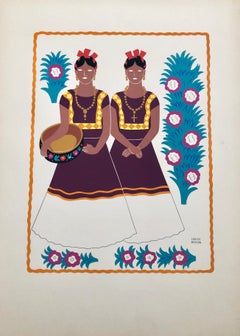
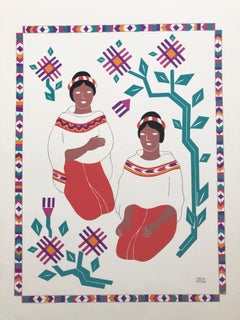
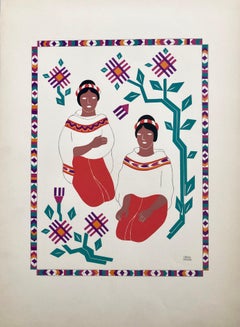
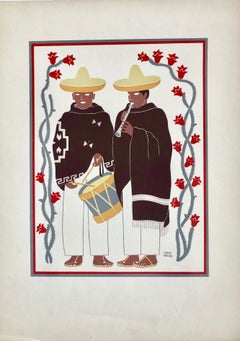
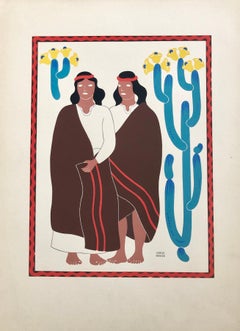
This listing is for the one Silkscreen serigraph piece listed here. Mexico City, 1945. First edition. plate signed, limited edition of 1000, these serigraph plates depict various types of traditional and folk art indigenous clothing and costume styles from around Mexico. The illustrations depict the cultures of many different states in Mexico, including Oaxaca, Chiapas, Jalisco and Veracruz. Carlos Mérida (December 2, 1891 – December 21, 1985) was a Guatemalan artist who was one of the first to fuse European modern painting to Latin American themes, especially those related to Guatemala and Mexico. He was part of the Mexican muralism movement in subject matter but less so in style, favoring a non-figurative and later geometric style rather than a figurative, narrative style. Mérida is best known for canvas and mural work, the latter including elements such as glass and ceramic mosaic on major constructions in the 1950s and 1960s. One of his major works, on the Benito Juarez housing complex, was completely destroyed with the 1985 Mexico City earthquake, but a monument to it exists at another complex in the south of the city. Carlos Mérida was born Carlos Santiago Ortega in Guatemala City to Serapio Santiago Mérida and Guadalupe Ortega Barnoya. He later changed his name what is known by as he thought it was more sonorous. His brothers and children also took the Mérida name later on. He was of mixed Spanish/Maya-Quiché heritage which he promoted during his life. As a young child, Mérida had both music and art lessons, and his first passion was music, which led to piano lessons. He studied at a trade school called the Instituto de Artes y Oficios, then the Instituto de Ciencias y Letras. Here he began to have a reputation for the avant garde. Merída’s first trip to the United States was in 1917, where he met writer Juan José Tablada. Mérida made several trips to Europe over his lifetime to both study art and work as an artist and diplomat. His early trips in the 1920s and 1930s put him in touch with both avant garde movements in Europe as well as noted Latin American artists, especially those from Mexico. His last trip was in 1950s. In 1963, he donated canvases, graphic pieces and mural sketches to the Universidad Nacional Autónoma de Mexico. Merida was one of a number of artists such as Diego Rivera and Gerardo Murillo who became committed to promoting the handcrafts and folk art of Mexico and Central America, with a particular interest in those of Guatemala, often featuring Mayan textiles or elements in their decoration in his artwork. He died in Mexico City at the age of 94 on December 21, 1985. As there was little opportunity for artists in Guatemala, in 1910, Mérida traveled to Paris with a friend named Carlos Valenti on a German cargo ship. From then until 1914, he lived and worked in Paris and traveled much of Europe. This put him in touch with European avant garde artists such as Van Dagen, Amedeo Modigliani, Pablo Picasso and Piet Mondrian as well as Latin American artists studying in Europe such as Diego Rivera, Jorge Enciso, Ángel Zárraga and Dr. Atl. He exhibited his work in venues such as the Independent Salon and the Giroux Gallery in Paris. Mérida has forty five exhibitions in the United States and eighteen in Mexico from 1928 to 1948. These included an exhibition with Rufino Tamayo at the Art Center of New York (1930), the John Becker and Valentine galleries in New York (1930), the Club de Escritores de México and the Galería Posada in Mexico City (1931), the Stendhal Gallery and the Stanley Rose...

Category

1940s Folk Art Carlos Merida Art
Materials

Screen

1945 Mexican Modernist Silkscreen Serigraph Print Regional Folk Art Dress Mexico

1945 Mexican Modernist Silkscreen Serigraph Print Regional Folk Art Dress Mexico

By Carlos Merida 1

Located in Surfside, FL

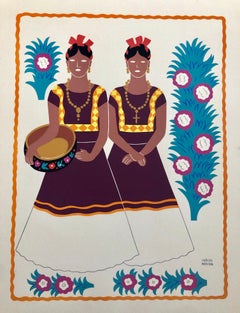
This listing is for the one Silkscreen serigraph piece listed here. Mexico City, 1945. First edition. plate signed, limited edition of 1000, these serigraph plates depict various types of traditional and folk art indigenous clothing and costume styles from around Mexico. The illustrations depict the cultures of many different states in Mexico, including Oaxaca, Chiapas, Jalisco and Veracruz. Carlos Mérida (December 2, 1891 – December 21, 1985) was a Guatemalan artist who was one of the first to fuse European modern painting to Latin American themes, especially those related to Guatemala and Mexico. He was part of the Mexican muralism movement in subject matter but less so in style, favoring a non-figurative and later geometric style rather than a figurative, narrative style. Mérida is best known for canvas and mural work, the latter including elements such as glass and ceramic mosaic on major constructions in the 1950s and 1960s. One of his major works, on the Benito Juarez housing complex, was completely destroyed with the 1985 Mexico City earthquake, but a monument to it exists at another complex in the south of the city. Carlos Mérida was born Carlos Santiago Ortega in Guatemala City to Serapio Santiago Mérida and Guadalupe Ortega Barnoya. He later changed his name what is known by as he thought it was more sonorous. His brothers and children also took the Mérida name later on. He was of mixed Spanish/Maya-Quiché heritage which he promoted during his life. As a young child, Mérida had both music and art lessons, and his first passion was music, which led to piano lessons. He studied at a trade school called the Instituto de Artes y Oficios, then the Instituto de Ciencias y Letras. Here he began to have a reputation for the avant garde. Merída’s first trip to the United States was in 1917, where he met writer Juan José Tablada. Mérida made several trips to Europe over his lifetime to both study art and work as an artist and diplomat. His early trips in the 1920s and 1930s put him in touch with both avant garde movements in Europe as well as noted Latin American artists, especially those from Mexico. His last trip was in 1950s. In 1963, he donated canvases, graphic pieces and mural sketches to the Universidad Nacional Autónoma de Mexico. Merida was one of a number of artists such as Diego Rivera and Gerardo Murillo who became committed to promoting the handcrafts and folk art of Mexico and Central America, with a particular interest in those of Guatemala, often featuring Mayan textiles or elements in their decoration in his artwork. He died in Mexico City at the age of 94 on December 21, 1985. As there was little opportunity for artists in Guatemala, in 1910, Mérida traveled to Paris with a friend named Carlos Valenti on a German cargo ship. From then until 1914, he lived and worked in Paris and traveled much of Europe. This put him in touch with European avant garde artists such as Van Dagen, Amedeo Modigliani, Pablo Picasso and Piet Mondrian as well as Latin American artists studying in Europe such as Diego Rivera, Jorge Enciso, Ángel Zárraga and Dr. Atl. He exhibited his work in venues such as the Independent Salon and the Giroux Gallery in Paris. Mérida has forty five exhibitions in the United States and eighteen in Mexico from 1928 to 1948. These included an exhibition with Rufino Tamayo at the Art Center of New York (1930), the John Becker and Valentine galleries in New York (1930), the Club de Escritores de México and the Galería Posada in Mexico City (1931), the Stendhal Gallery and the Stanley Rose...

Category

1940s Folk Art Carlos Merida Art
Materials

Screen

1945 Mexican Modernist Silkscreen Serigraph Print Regional Folk Art Dress Mexico

1945 Mexican Modernist Silkscreen Serigraph Print Regional Folk Art Dress Mexico

By Carlos Merida 1

Located in Surfside, FL

This listing is for the one Silkscreen serigraph piece listed here. Mexico City, 1945. First edition. plate signed, limited edition of 1000, these serigraph plates depict various types of traditional and folk art indigenous clothing and costume styles from around Mexico. The illustrations depict the cultures of many different states in Mexico, including Oaxaca, Chiapas, Jalisco and Veracruz. Carlos Mérida (December 2, 1891 – December 21, 1985) was a Guatemalan artist who was one of the first to fuse European modern painting to Latin American themes, especially those related to Guatemala and Mexico. He was part of the Mexican muralism movement in subject matter but less so in style, favoring a non-figurative and later geometric style rather than a figurative, narrative style. Mérida is best known for canvas and mural work, the latter including elements such as glass and ceramic mosaic on major constructions in the 1950s and 1960s. One of his major works, on the Benito Juarez housing complex, was completely destroyed with the 1985 Mexico City earthquake, but a monument to it exists at another complex in the south of the city. Carlos Mérida was born Carlos Santiago Ortega in Guatemala City to Serapio Santiago Mérida and Guadalupe Ortega Barnoya. He later changed his name what is known by as he thought it was more sonorous. His brothers and children also took the Mérida name later on. He was of mixed Spanish/Maya-Quiché heritage which he promoted during his life. As a young child, Mérida had both music and art lessons, and his first passion was music, which led to piano lessons. He studied at a trade school called the Instituto de Artes y Oficios, then the Instituto de Ciencias y Letras. Here he began to have a reputation for the avant garde. Merída’s first trip to the United States was in 1917, where he met writer Juan José Tablada. Mérida made several trips to Europe over his lifetime to both study art and work as an artist and diplomat. His early trips in the 1920s and 1930s put him in touch with both avant garde movements in Europe as well as noted Latin American artists, especially those from Mexico. His last trip was in 1950s. In 1963, he donated canvases, graphic pieces and mural sketches to the Universidad Nacional Autónoma de Mexico. Merida was one of a number of artists such as Diego Rivera and Gerardo Murillo who became committed to promoting the handcrafts and folk art of Mexico and Central America, with a particular interest in those of Guatemala, often featuring Mayan textiles or elements in their decoration in his artwork. He died in Mexico City at the age of 94 on December 21, 1985. As there was little opportunity for artists in Guatemala, in 1910, Mérida traveled to Paris with a friend named Carlos Valenti on a German cargo ship. From then until 1914, he lived and worked in Paris and traveled much of Europe. This put him in touch with European avant garde artists such as Van Dagen, Amedeo Modigliani, Pablo Picasso and Piet Mondrian as well as Latin American artists studying in Europe such as Diego Rivera, Jorge Enciso, Ángel Zárraga and Dr. Atl. He exhibited his work in venues such as the Independent Salon and the Giroux Gallery in Paris. Mérida has forty five exhibitions in the United States and eighteen in Mexico from 1928 to 1948. These included an exhibition with Rufino Tamayo at the Art Center of New York (1930), the John Becker and Valentine galleries in New York (1930), the Club de Escritores de México and the Galería Posada in Mexico City (1931), the Stendhal Gallery and the Stanley Rose...

Category

1940s Folk Art Carlos Merida Art
Materials

Screen

1945 Mexican Modernist Silkscreen Serigraph Print Regional Folk Art Dress Mexico

1945 Mexican Modernist Silkscreen Serigraph Print Regional Folk Art Dress Mexico

By Carlos Merida 1

Located in Surfside, FL

This listing is for the one Silkscreen serigraph piece listed here. Mexico City, 1945. First edition. plate signed, limited edition of 1000, these serigraph plates depict various types of traditional and folk art indigenous clothing and costume styles from around Mexico. The illustrations depict the cultures of many different states in Mexico, including Oaxaca, Chiapas, Jalisco and Veracruz. Carlos Mérida (December 2, 1891 – December 21, 1985) was a Guatemalan artist who was one of the first to fuse European modern painting to Latin American themes, especially those related to Guatemala and Mexico. He was part of the Mexican muralism movement in subject matter but less so in style, favoring a non-figurative and later geometric style rather than a figurative, narrative style. Mérida is best known for canvas and mural work, the latter including elements such as glass and ceramic mosaic on major constructions in the 1950s and 1960s. One of his major works, on the Benito Juarez housing complex, was completely destroyed with the 1985 Mexico City earthquake, but a monument to it exists at another complex in the south of the city. Carlos Mérida was born Carlos Santiago Ortega in Guatemala City to Serapio Santiago Mérida and Guadalupe Ortega Barnoya. He later changed his name what is known by as he thought it was more sonorous. His brothers and children also took the Mérida name later on. He was of mixed Spanish/Maya-Quiché heritage which he promoted during his life. As a young child, Mérida had both music and art lessons, and his first passion was music, which led to piano lessons. He studied at a trade school called the Instituto de Artes y Oficios, then the Instituto de Ciencias y Letras. Here he began to have a reputation for the avant garde. Merída’s first trip to the United States was in 1917, where he met writer Juan José Tablada. Mérida made several trips to Europe over his lifetime to both study art and work as an artist and diplomat. His early trips in the 1920s and 1930s put him in touch with both avant garde movements in Europe as well as noted Latin American artists, especially those from Mexico. His last trip was in 1950s. In 1963, he donated canvases, graphic pieces and mural sketches to the Universidad Nacional Autónoma de Mexico. Merida was one of a number of artists such as Diego Rivera and Gerardo Murillo who became committed to promoting the handcrafts and folk art of Mexico and Central America, with a particular interest in those of Guatemala, often featuring Mayan textiles or elements in their decoration in his artwork. He died in Mexico City at the age of 94 on December 21, 1985. As there was little opportunity for artists in Guatemala, in 1910, Mérida traveled to Paris with a friend named Carlos Valenti on a German cargo ship. From then until 1914, he lived and worked in Paris and traveled much of Europe. This put him in touch with European avant garde artists such as Van Dagen, Amedeo Modigliani, Pablo Picasso and Piet Mondrian as well as Latin American artists studying in Europe such as Diego Rivera, Jorge Enciso, Ángel Zárraga and Dr. Atl. He exhibited his work in venues such as the Independent Salon and the Giroux Gallery in Paris. Mérida has forty five exhibitions in the United States and eighteen in Mexico from 1928 to 1948. These included an exhibition with Rufino Tamayo at the Art Center of New York (1930), the John Becker and Valentine galleries in New York (1930), the Club de Escritores de México and the Galería Posada in Mexico City (1931), the Stendhal Gallery and the Stanley Rose...

Category

1940s Folk Art Carlos Merida Art
Materials

Screen

1945 Mexican Modernist Silkscreen Serigraph Print Regional Folk Art Dress Mexico

1945 Mexican Modernist Silkscreen Serigraph Print Regional Folk Art Dress Mexico

By Carlos Merida 1

Located in Surfside, FL

This listing is for the one Silkscreen serigraph piece listed here. Mexico City, 1945. First edition. plate signed, limited edition of 1000, these serigraph plates depict various types of traditional and folk art indigenous clothing and costume styles from around Mexico. The illustrations depict the cultures of many different states in Mexico, including Oaxaca, Chiapas, Jalisco and Veracruz. Carlos Mérida (December 2, 1891 – December 21, 1985) was a Guatemalan artist who was one of the first to fuse European modern painting to Latin American themes, especially those related to Guatemala and Mexico. He was part of the Mexican muralism movement in subject matter but less so in style, favoring a non-figurative and later geometric style rather than a figurative, narrative style. Mérida is best known for canvas and mural work, the latter including elements such as glass and ceramic mosaic on major constructions in the 1950s and 1960s. One of his major works, on the Benito Juarez housing complex, was completely destroyed with the 1985 Mexico City earthquake, but a monument to it exists at another complex in the south of the city. Carlos Mérida was born Carlos Santiago Ortega in Guatemala City to Serapio Santiago Mérida and Guadalupe Ortega Barnoya. He later changed his name what is known by as he thought it was more sonorous. His brothers and children also took the Mérida name later on. He was of mixed Spanish/Maya-Quiché heritage which he promoted during his life. As a young child, Mérida had both music and art lessons, and his first passion was music, which led to piano lessons. He studied at a trade school called the Instituto de Artes y Oficios, then the Instituto de Ciencias y Letras. Here he began to have a reputation for the avant garde. Merída’s first trip to the United States was in 1917, where he met writer Juan José Tablada. Mérida made several trips to Europe over his lifetime to both study art and work as an artist and diplomat. His early trips in the 1920s and 1930s put him in touch with both avant garde movements in Europe as well as noted Latin American artists, especially those from Mexico. His last trip was in 1950s. In 1963, he donated canvases, graphic pieces and mural sketches to the Universidad Nacional Autónoma de Mexico. Merida was one of a number of artists such as Diego Rivera and Gerardo Murillo who became committed to promoting the handcrafts and folk art of Mexico and Central America, with a particular interest in those of Guatemala, often featuring Mayan textiles or elements in their decoration in his artwork. He died in Mexico City at the age of 94 on December 21, 1985. As there was little opportunity for artists in Guatemala, in 1910, Mérida traveled to Paris with a friend named Carlos Valenti on a German cargo ship. From then until 1914, he lived and worked in Paris and traveled much of Europe. This put him in touch with European avant garde artists such as Van Dagen, Amedeo Modigliani, Pablo Picasso and Piet Mondrian as well as Latin American artists studying in Europe such as Diego Rivera, Jorge Enciso, Ángel Zárraga and Dr. Atl. He exhibited his work in venues such as the Independent Salon and the Giroux Gallery in Paris. Mérida has forty five exhibitions in the United States and eighteen in Mexico from 1928 to 1948. These included an exhibition with Rufino Tamayo at the Art Center of New York (1930), the John Becker and Valentine galleries in New York (1930), the Club de Escritores de México and the Galería Posada in Mexico City (1931), the Stendhal Gallery and the Stanley Rose...

Category

1940s Folk Art Carlos Merida Art
Materials

Screen

1945 Mexican Modernist Silkscreen Serigraph Print Regional Folk Art Dress Mexico

1945 Mexican Modernist Silkscreen Serigraph Print Regional Folk Art Dress Mexico

By Carlos Merida 1

Located in Surfside, FL

This listing is for the one Silkscreen serigraph piece listed here. Mexico City, 1945. First edition. plate signed, limited edition of 1000, these serigraph plates depict various types of traditional and folk art indigenous clothing and costume styles from around Mexico. The illustrations depict the cultures of many different states in Mexico, including Oaxaca, Chiapas, Jalisco and Veracruz. Carlos Mérida (December 2, 1891 – December 21, 1985) was a Guatemalan artist who was one of the first to fuse European modern painting to Latin American themes, especially those related to Guatemala and Mexico. He was part of the Mexican muralism movement in subject matter but less so in style, favoring a non-figurative and later geometric style rather than a figurative, narrative style. Mérida is best known for canvas and mural work, the latter including elements such as glass and ceramic mosaic on major constructions in the 1950s and 1960s. One of his major works, on the Benito Juarez housing complex, was completely destroyed with the 1985 Mexico City earthquake, but a monument to it exists at another complex in the south of the city. Carlos Mérida was born Carlos Santiago Ortega in Guatemala City to Serapio Santiago Mérida and Guadalupe Ortega Barnoya. He later changed his name what is known by as he thought it was more sonorous. His brothers and children also took the Mérida name later on. He was of mixed Spanish/Maya-Quiché heritage which he promoted during his life. As a young child, Mérida had both music and art lessons, and his first passion was music, which led to piano lessons. He studied at a trade school called the Instituto de Artes y Oficios, then the Instituto de Ciencias y Letras. Here he began to have a reputation for the avant garde. Merída’s first trip to the United States was in 1917, where he met writer Juan José Tablada. Mérida made several trips to Europe over his lifetime to both study art and work as an artist and diplomat. His early trips in the 1920s and 1930s put him in touch with both avant garde movements in Europe as well as noted Latin American artists, especially those from Mexico. His last trip was in 1950s. In 1963, he donated canvases, graphic pieces and mural sketches to the Universidad Nacional Autónoma de Mexico. Merida was one of a number of artists such as Diego Rivera and Gerardo Murillo who became committed to promoting the handcrafts and folk art of Mexico and Central America, with a particular interest in those of Guatemala, often featuring Mayan textiles or elements in their decoration in his artwork. He died in Mexico City at the age of 94 on December 21, 1985. As there was little opportunity for artists in Guatemala, in 1910, Mérida traveled to Paris with a friend named Carlos Valenti on a German cargo ship. From then until 1914, he lived and worked in Paris and traveled much of Europe. This put him in touch with European avant garde artists such as Van Dagen, Amedeo Modigliani, Pablo Picasso and Piet Mondrian as well as Latin American artists studying in Europe such as Diego Rivera, Jorge Enciso, Ángel Zárraga and Dr. Atl. He exhibited his work in venues such as the Independent Salon and the Giroux Gallery in Paris. Mérida has forty five exhibitions in the United States and eighteen in Mexico from 1928 to 1948. These included an exhibition with Rufino Tamayo at the Art Center of New York (1930), the John Becker and Valentine galleries in New York (1930), the Club de Escritores de México and the Galería Posada in Mexico City (1931), the Stendhal Gallery and the Stanley Rose...

Category

1940s Folk Art Carlos Merida Art
Materials

Screen

1945 Mexican Modernist Silkscreen Serigraph Print Regional Folk Art Dress Mexico

1945 Mexican Modernist Silkscreen Serigraph Print Regional Folk Art Dress Mexico

By Carlos Merida 1

Located in Surfside, FL

This listing is for the one Silkscreen serigraph piece listed here. Mexico City, 1945. First edition. plate signed, limited edition of 1000, these serigraph plates depict various types of traditional and folk art indigenous clothing and costume styles from around Mexico. The illustrations depict the cultures of many different states in Mexico, including Oaxaca, Chiapas, Jalisco and Veracruz. Carlos Mérida (December 2, 1891 – December 21, 1985) was a Guatemalan artist who was one of the first to fuse European modern painting to Latin American themes, especially those related to Guatemala and Mexico. He was part of the Mexican muralism movement in subject matter but less so in style, favoring a non-figurative and later geometric style rather than a figurative, narrative style. Mérida is best known for canvas and mural work, the latter including elements such as glass and ceramic mosaic on major constructions in the 1950s and 1960s. One of his major works, on the Benito Juarez housing complex, was completely destroyed with the 1985 Mexico City earthquake, but a monument to it exists at another complex in the south of the city. Carlos Mérida was born Carlos Santiago Ortega in Guatemala City to Serapio Santiago Mérida and Guadalupe Ortega Barnoya. He later changed his name what is known by as he thought it was more sonorous. His brothers and children also took the Mérida name later on. He was of mixed Spanish/Maya-Quiché heritage which he promoted during his life. As a young child, Mérida had both music and art lessons, and his first passion was music, which led to piano lessons. He studied at a trade school called the Instituto de Artes y Oficios, then the Instituto de Ciencias y Letras. Here he began to have a reputation for the avant garde. Merída’s first trip to the United States was in 1917, where he met writer Juan José Tablada. Mérida made several trips to Europe over his lifetime to both study art and work as an artist and diplomat. His early trips in the 1920s and 1930s put him in touch with both avant garde movements in Europe as well as noted Latin American artists, especially those from Mexico. His last trip was in 1950s. In 1963, he donated canvases, graphic pieces and mural sketches to the Universidad Nacional Autónoma de Mexico. Merida was one of a number of artists such as Diego Rivera and Gerardo Murillo who became committed to promoting the handcrafts and folk art of Mexico and Central America, with a particular interest in those of Guatemala, often featuring Mayan textiles or elements in their decoration in his artwork. He died in Mexico City at the age of 94 on December 21, 1985. As there was little opportunity for artists in Guatemala, in 1910, Mérida traveled to Paris with a friend named Carlos Valenti on a German cargo ship. From then until 1914, he lived and worked in Paris and traveled much of Europe. This put him in touch with European avant garde artists such as Van Dagen, Amedeo Modigliani, Pablo Picasso and Piet Mondrian as well as Latin American artists studying in Europe such as Diego Rivera, Jorge Enciso, Ángel Zárraga and Dr. Atl. He exhibited his work in venues such as the Independent Salon and the Giroux Gallery in Paris. Mérida has forty five exhibitions in the United States and eighteen in Mexico from 1928 to 1948. These included an exhibition with Rufino Tamayo at the Art Center of New York (1930), the John Becker and Valentine galleries in New York (1930), the Club de Escritores de México and the Galería Posada in Mexico City (1931), the Stendhal Gallery and the Stanley Rose...

Category

1940s Folk Art Carlos Merida Art
Materials

Screen

1945 Mexican Modernist Silkscreen Serigraph  Print Regional Dress Carlos Merida

1945 Mexican Modernist Silkscreen Serigraph Print Regional Dress Carlos Merida

By Carlos Merida 1

Located in Surfside, FL

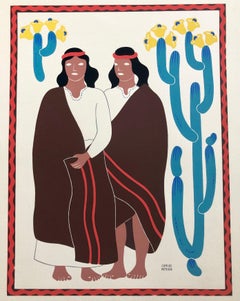
This listing is for the one Silkscreen serigraph piece listed here. Mexico City, 1945. First edition. plate signed, limited edition of 1000, these serigraph plates depict various types of traditional and folk art indigenous clothing and costume styles from around Mexico. The illustrations depict the cultures of many different states in Mexico, including Oaxaca, Chiapas, Jalisco and Veracruz. Carlos Mérida (December 2, 1891 – December 21, 1985) was a Guatemalan artist who was one of the first to fuse European modern painting to Latin American themes, especially those related to Guatemala and Mexico. He was part of the Mexican muralism movement in subject matter but less so in style, favoring a non-figurative and later geometric style rather than a figurative, narrative style. Mérida is best known for canvas and mural work, the latter including elements such as glass and ceramic mosaic on major constructions in the 1950s and 1960s. One of his major works, on the Benito Juarez housing complex, was completely destroyed with the 1985 Mexico City earthquake, but a monument to it exists at another complex in the south of the city. Carlos Mérida was born Carlos Santiago Ortega in Guatemala City to Serapio Santiago Mérida and Guadalupe Ortega Barnoya. He later changed his name what is known by as he thought it was more sonorous. His brothers and children also took the Mérida name later on. He was of mixed Spanish/Maya-Quiché heritage which he promoted during his life. As a young child, Mérida had both music and art lessons, and his first passion was music, which led to piano lessons. He studied at a trade school called the Instituto de Artes y Oficios, then the Instituto de Ciencias y Letras. Here he began to have a reputation for the avant garde. Merída’s first trip to the United States was in 1917, where he met writer Juan José Tablada. Mérida made several trips to Europe over his lifetime to both study art and work as an artist and diplomat. His early trips in the 1920s and 1930s put him in touch with both avant garde movements in Europe as well as noted Latin American artists, especially those from Mexico. His last trip was in 1950s. In 1963, he donated canvases, graphic pieces and mural sketches to the Universidad Nacional Autónoma de Mexico. Merida was one of a number of artists such as Diego Rivera and Gerardo Murillo who became committed to promoting the handcrafts and folk art of Mexico and Central America, with a particular interest in those of Guatemala, often featuring Mayan textiles or elements in their decoration in his artwork. He died in Mexico City at the age of 94 on December 21, 1985. As there was little opportunity for artists in Guatemala, in 1910, Mérida traveled to Paris with a friend named Carlos Valenti on a German cargo ship. From then until 1914, he lived and worked in Paris and traveled much of Europe. This put him in touch with European avant garde artists such as Van Dagen, Amedeo Modigliani, Pablo Picasso and Piet Mondrian as well as Latin American artists studying in Europe such as Diego Rivera, Jorge Enciso, Ángel Zárraga and Dr. Atl. He exhibited his work in venues such as the Independent Salon and the Giroux Gallery in Paris. Mérida has forty five exhibitions in the United States and eighteen in Mexico from 1928 to 1948. These included an exhibition with Rufino Tamayo at the Art Center of New York (1930), the John Becker and Valentine galleries in New York (1930), the Club de Escritores de México and the Galería Posada in Mexico City (1931), the Stendhal Gallery and the Stanley Rose...

Category

1940s Folk Art Carlos Merida Art
Materials

Screen

Carlos Merida art for sale on 1stDibs.
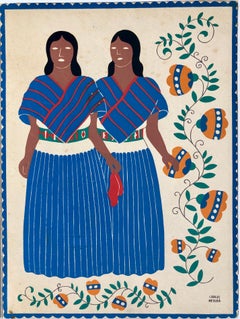
Find a wide variety of authentic Carlos Merida art available for sale on 1stDibs. You can also browse by medium to find art by Carlos Merida in screen print and more. Not every interior allows for large Carlos Merida art, so small editions measuring 13 inches across are available. Customers who are interested in this artist might also find the work of Günther Kieser, Gustavo Montoya, and Igor Galanin. Carlos Merida art prices can differ depending upon medium, time period and other attributes. On 1stDibs, the price for these items starts at $950 and tops out at $950, while the average work can sell for $950.

Artists Similar to Carlos Merida