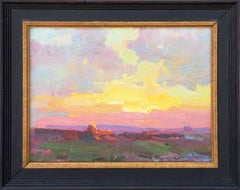
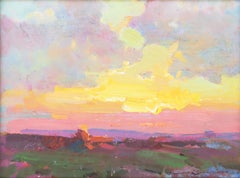
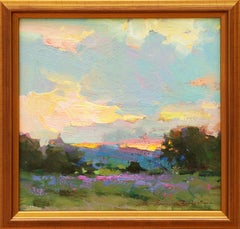
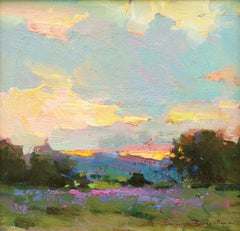
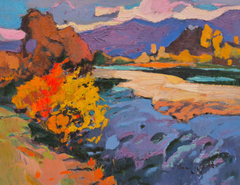
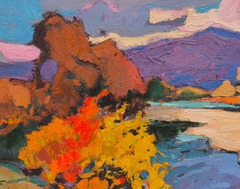
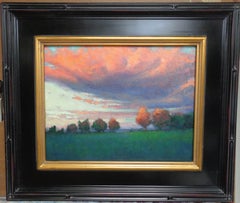
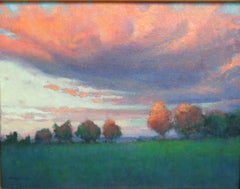
Berberian Art For Sale on 1stDibs
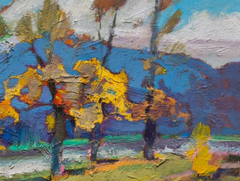
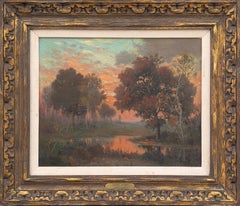
You are likely to find exactly the piece of berberian art you’re looking for on 1stDibs, as there is a broad range for sale. In our selection of items, you can find
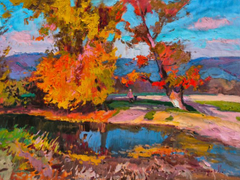
Impressionist examples as well as a
modern version. Making the right choice when shopping for an item from our selection of berberian art may mean carefully reviewing examples of this item dating from different eras — you can find an early iteration of this piece from the 20th Century and a newer version made as recently as the 21st Century. When looking for the right choice in our collection of berberian art for your space, you can search on 1stDibs by color — popular works were created in bold and neutral palettes with elements of
beige,
brown,
gray and
white. Creating an object in our assortment of berberian art has been a part of the legacy of many artists, but those crafted by
Jim Smyth and
Eugenio Carmi are consistently popular. Artworks like these of any era or style can make for thoughtful decor in any space, but a selection from our variety of those made in
paper,
oil paint and
paint can add an especially memorable touch.
How Much is a Berberian Art?
The price for an artwork of this kind can differ depending upon size, time period and other attributes — a piece of berberian art in our inventory may begin at $379 and can go as high as $35,000, while the average can fetch as much as $578.
Ovanes Berberian for sale on 1stDibs
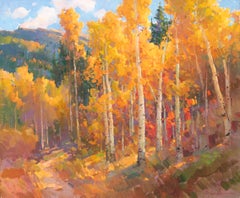
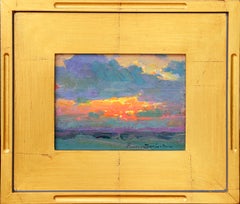
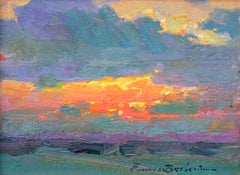
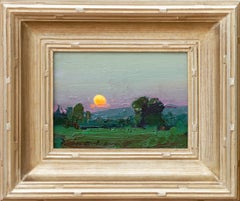
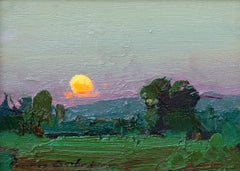
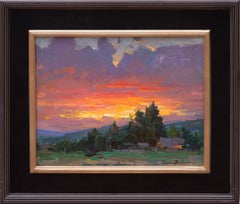
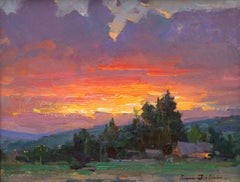
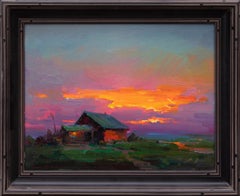
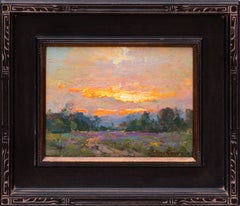
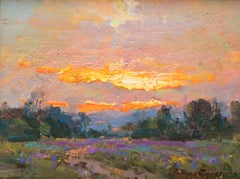
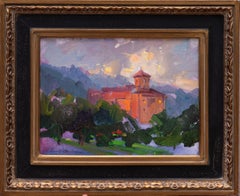
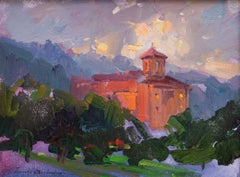
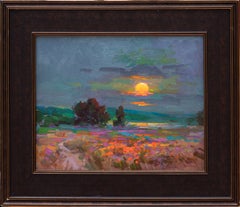
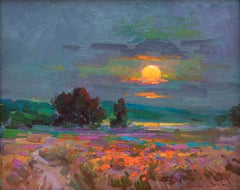
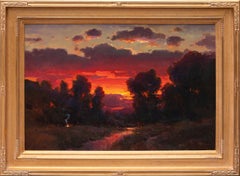
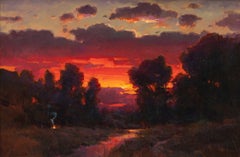
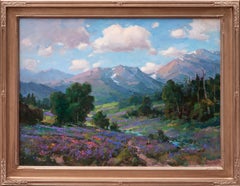
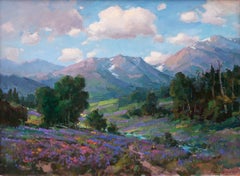
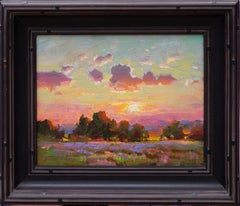
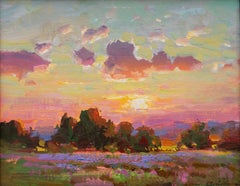
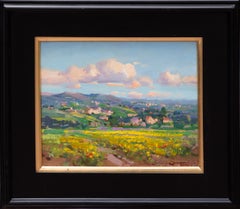
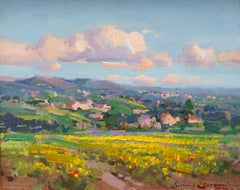
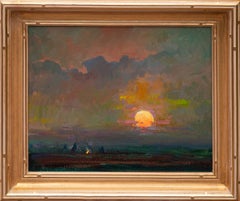
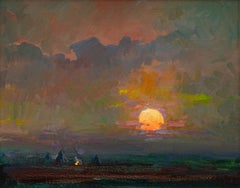
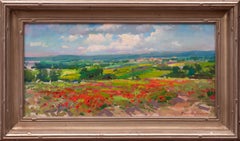
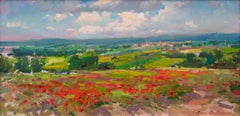
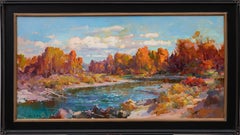
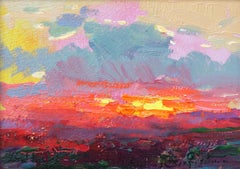
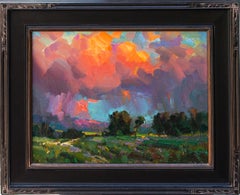
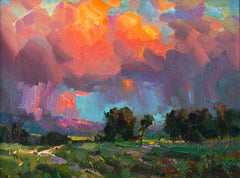
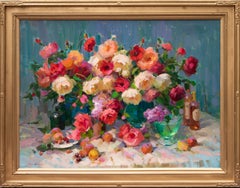
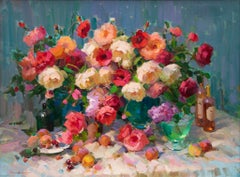
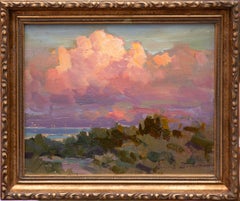
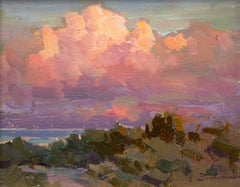
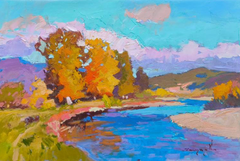
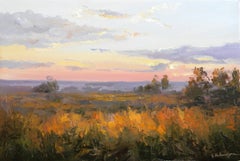
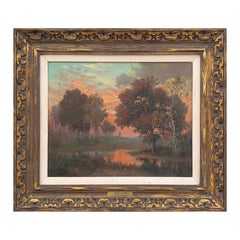
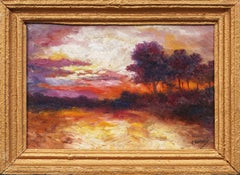
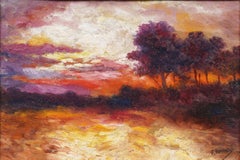
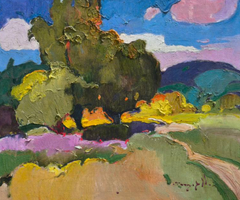
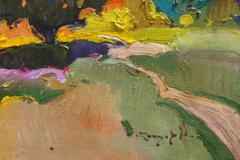
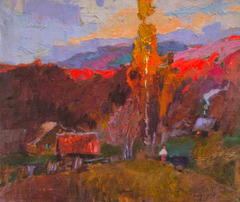
The light filled canvases of Ovanes Berberian evoke a private world of nature in repose. Born in Russian Armenia, Berberian received his primary art education under the guidance of his father who was an important Russian artist, a member of the Armenian Artists’ Society, as well as a theatrical set designer and college art professor. It was in this environment, studying at his fathers art school, Ovanes achieved a significant portion of his art education.
In the summer of 1977, following his father’s death, the young Berberian and his three brothers and mother immigrated to the United States, settling in California. In 1981, Ovanes was awarded a scholarship to study with the late master painter and noted teacher, Sergei Bongart. Ovanes said of Bongart, “I was influenced by Sergei more than any other artist. He led me in the direction I needed to go, it was like a light bulb finally came on.” In Idaho near Bongart, Berberian built his home and studio from which he conducts workshops in the summer. His painting style is easily recognizable by his confident blend of color and brush work as depicted in his dramatic landscapes and still lifes.
“One of the shinning stars in American art, Ovanes is a nationally renowned teacher and plein aire artist who has been at the forefront of the American art scene for many years. His deep understanding of hue, value, and color relationships make him sought after not only by collectors but by students who come from near and far for a chance to attend one of his workshops. A plein aire purist, he elects to paint on location, inspired by a more direct confrontation with his subject. He states unequivocally that in painting the most important thing is color harmony. Ovanes’ use of color, combined with his dynamic, painterly style, makes each landscape and still life come alive striking a chord deep within the viewer.”
Berberian’s paintings are held in numerous private and public collections such as The Forsthye Group, Jack Nicklaus, Doris Mendenhall, and Palm Springs designer Steve Chase.
A Close Look at Impressionist Art
Emerging in 19th-century France, Impressionist art embraced loose brushwork and plein-air painting to respond to the movement of daily life. Although the pioneers of the Impressionist movement — Claude Monet, Edgar Degas, Paul Cézanne, Berthe Morisot, Camille Pissarro, and Pierre-Auguste Renoir — are now household names, their work was a radical break with an art scene led and shaped by academic traditions for around two centuries. These academies had oversight of a curriculum that emphasized formal drawing, painting and sculpting techniques and historical themes.
The French Impressionists were influenced by a group of artists known as the Barbizon School, who painted what they witnessed in nature. The rejection of pieces by these artists and the later Impressionists from the salons culminated in a watershed 1874 exhibition in Paris that was staged outside of the juried systems. After a work of Monet’s was derided by a critic as an unfinished “impression,” the term was taken as a celebration of their shared interest in capturing fleeting moments as subject matter, whether the shifting weather on rural landscapes or the frenzy of an urban crowd. Rather than the exacting realism of the academic tradition, Impressionist paintings, sculptures, prints and drawings represented how an artist saw a world in motion.
Many Impressionist painters were inspired by the perspectives in imported Japanese prints alongside these shifts in European painting — Édouard Manet drew on ukiyo-e woodblock prints and depicted Japanese design in his Portrait of Émile Zola, for example. American artists such as Mary Cassatt and William Merritt Chase, who studied abroad, were impacted by the work of the French artists, and by the late 19th century American Impressionism had its own distinct aesthetics with painters responding to the rapid modernization of cities through quickly created works that were vivid with color and light.
Find a collection of authentic Impressionist art on 1stDibs.
Finding the Right Paintings for You
Painting is an art form that has spanned innumerable cultures, with artists using the medium to tell stories, explore and communicate ideas and express themselves. To bring abstract paintings, landscape paintings, still-life paintings and other original paintings into your home is to celebrate and share in the long tradition of this discipline.
When we look at paintings, particularly those that originated in the past, we learn about history, other cultures and countries of the world. Like every other work of art, paintings — whether they are contemporary creations or works that were made during the 19th century — can often help us clearly see and understand the world around us in a meaningful and interesting way.
Cave walls were the canvases for what were arguably the world’s first landscape paintings, which depict natural scenery through art. Portrait paintings and drawings, which, along with sculpture, were how someone’s appearance was recorded prior to the advent of photography, are at least as old as Ancient Egypt. In the Netherlands, landscapes were a major theme for painters as early as the 1500s. Later, artists in Greece, Rome and elsewhere created vast wall paintings to decorate stately homes, churches and tombs.
Today, creating a wall of art is a wonderful way to enhance your space, showcase beautiful pieces and tie an interior design together.
No matter your preference, whether you favor Post-Impressionist paintings, animal paintings, Surrealism, Pop art or another movement or specific period, arranging art on a blank wall allows you to evoke emotions in a room while also showing off your tastes and interests. A symmetrical wall arrangement may comprise a grid of four to six pieces or, for an odd number of works, a horizontal row. Asymmetrical arrangements, which may be small clusters of art or large, salon-style gallery walls, have a more collected and eclectic feel.
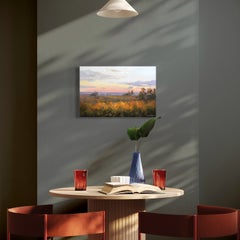
Download the 1stDibs app, which includes a handy “View on Wall” feature that allows you to see how a particular artwork will look on a particular wall, and read about how to arrange wall art. And if you’re searching for the perfect palette for your interior design project, what better place to turn than to the art world’s masters of color?
On 1stDibs, you’ll find an expansive collection of paintings and other fine art for your home or office. Browse abstract paintings, portrait paintings, paintings by emerging artists and more today.