Mathurin Moreau
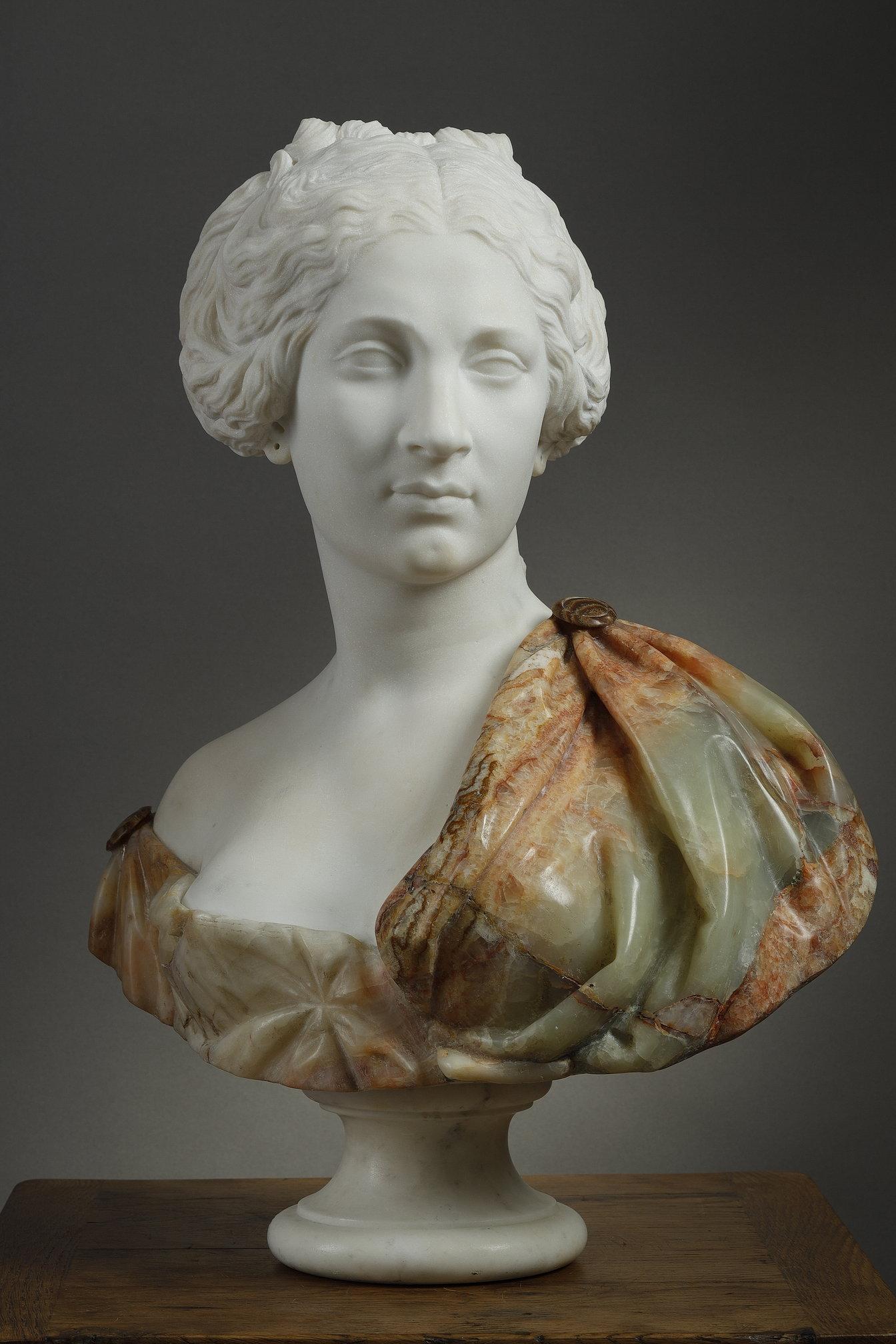
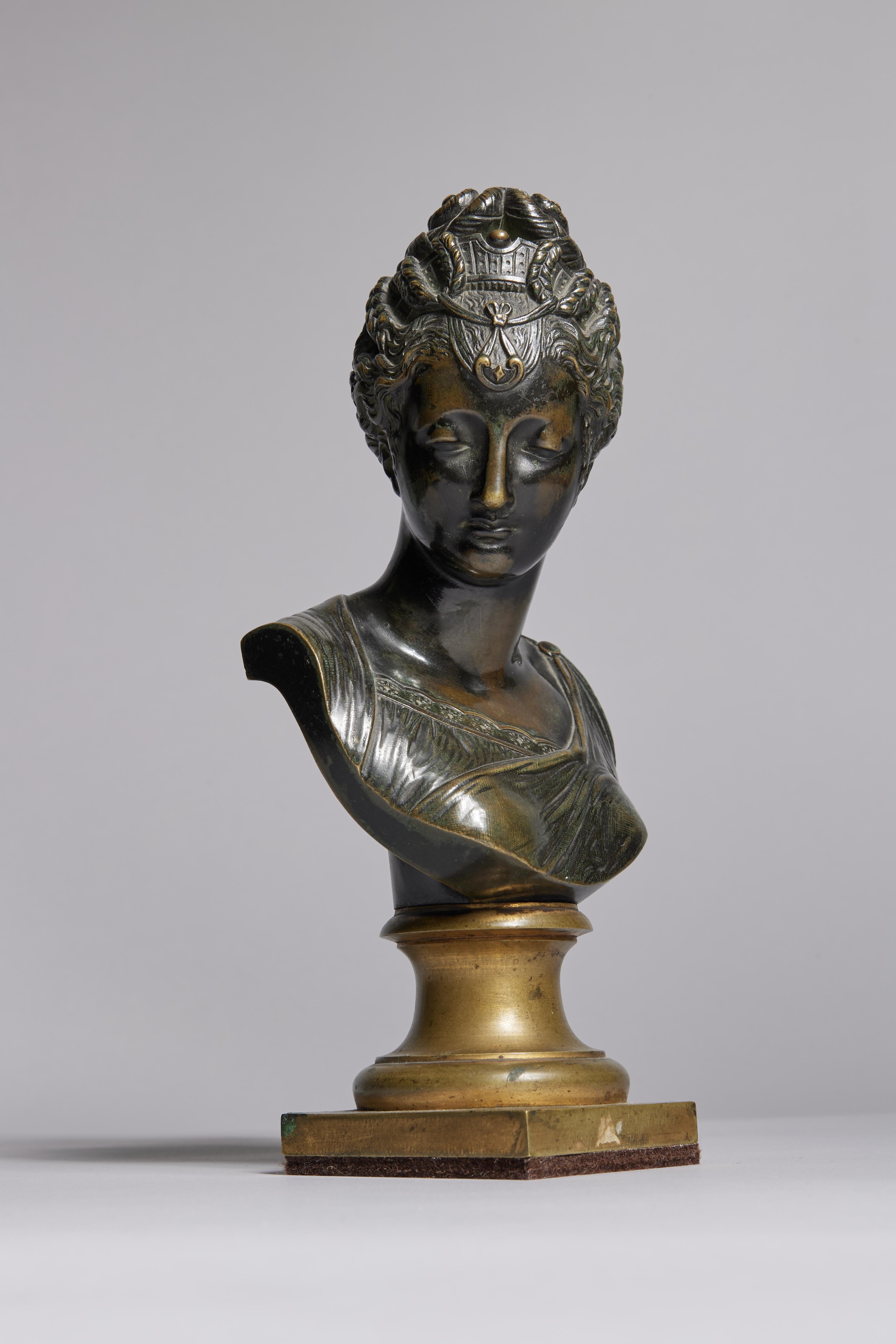
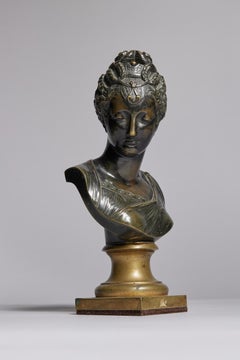
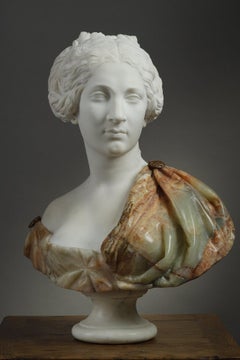
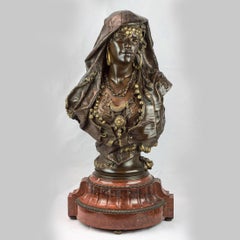
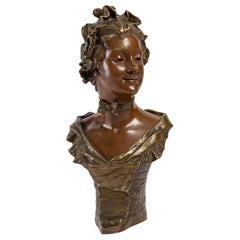
Mathurin Moreau was a renowned French sculptor born on November 18, 1822, in Dijon, France, into a family of artists. He was the son of sculptor Jean-Baptiste Moreau and the brother of sculptors Hippolyte and Auguste Moreau, thus part of a dynasty that significantly influenced French sculpture in the 19th century. Educated at the École des Beaux-Arts under the tutelage of Étienne-Jules Ramey and Augustin-Alexandre Dumont, Moreau went on to become a prominent figure in the French art scene. He was known for his exceptional skills in crafting bronze sculptures, which are among the most celebrated aspects of his artistic legacy. Moreau debuted at the Salon in 1848 and rapidly gained acclaim. His works often depicted allegorical figures, mythological scenes, and typical rural life, capturing both the idealistic beauty and the detailed realism that were hallmarks of the period's sculpture. Many of his bronzes were cast by the famous Val d'Osne foundry, which helped ensure the high quality of his pieces. The foundry was known for its superb craftsmanship and was one of the primary mediums for Moreau’s creations. Throughout his career, Mathurin Moreau received numerous awards, including a medal of honor at the Exposition Universelle in 1878. He was also made a Knight of the Legion of Honor in 1865 and rose to become an officer of the order in 1885. His artworks were not only celebrated in France but also internationally, as his bronzes found homes in diverse locations, from Parisian squares to foreign collections. Moreau's works are characterized by their classical style, attention to detail, and the expressive beauty of their subjects. Some of his notable bronze sculptures include allegorical representations such as "La Danse" and "L’Eau". These pieces exemplify his ability to translate ethereal themes into tangible beauty, making his sculptures highly sought after by collectors and museums worldwide. Mathurin Moreau passed away in 1912, leaving behind a rich legacy of artistic achievement that continues to be celebrated and revered in the art world today. His sculptures, especially his bronzes, remain valuable for their artistic and historical significance, often fetching high prices at auctions and retaining a place of prominence in collections of 19th-century French art.