Édouard Manet
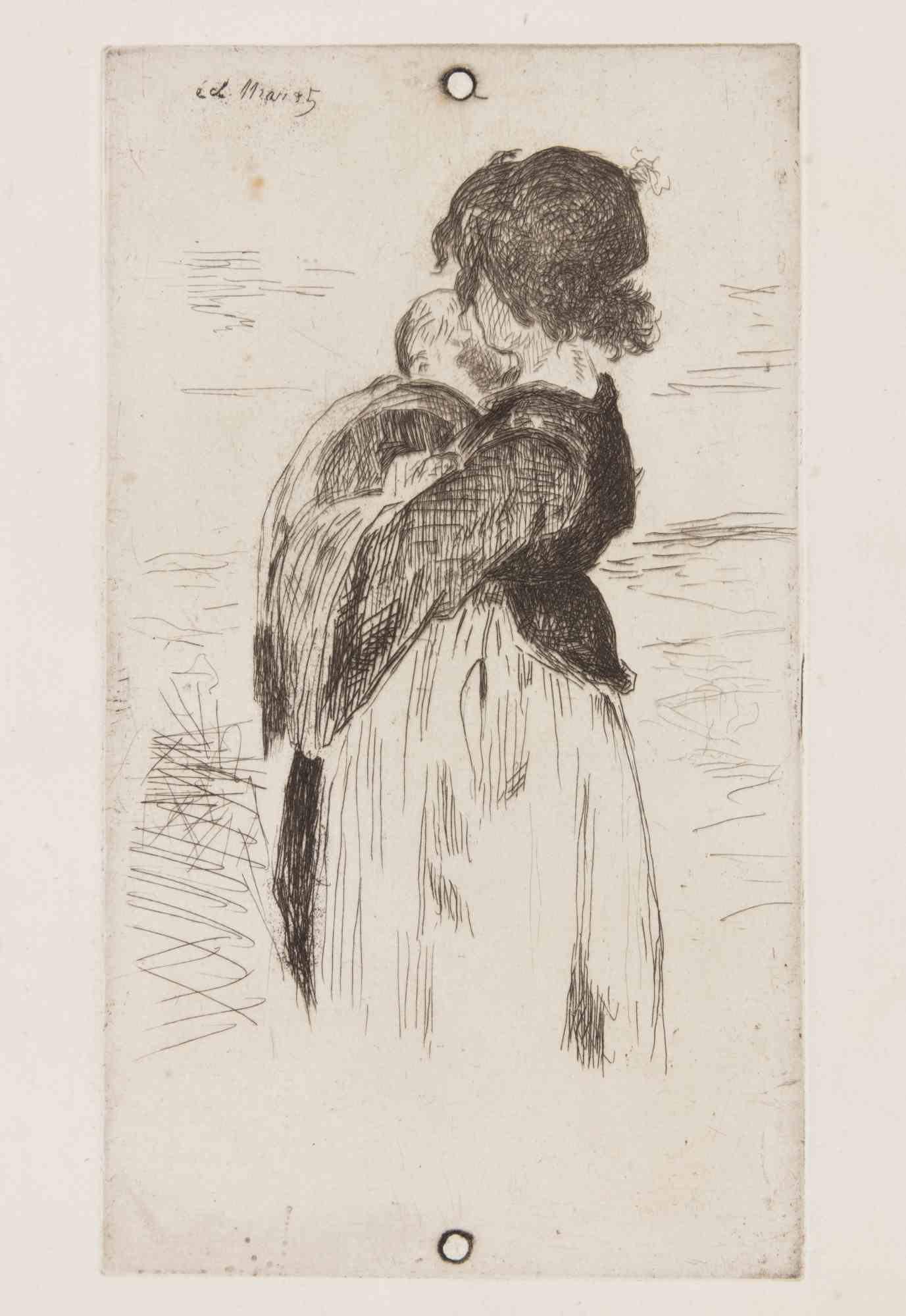
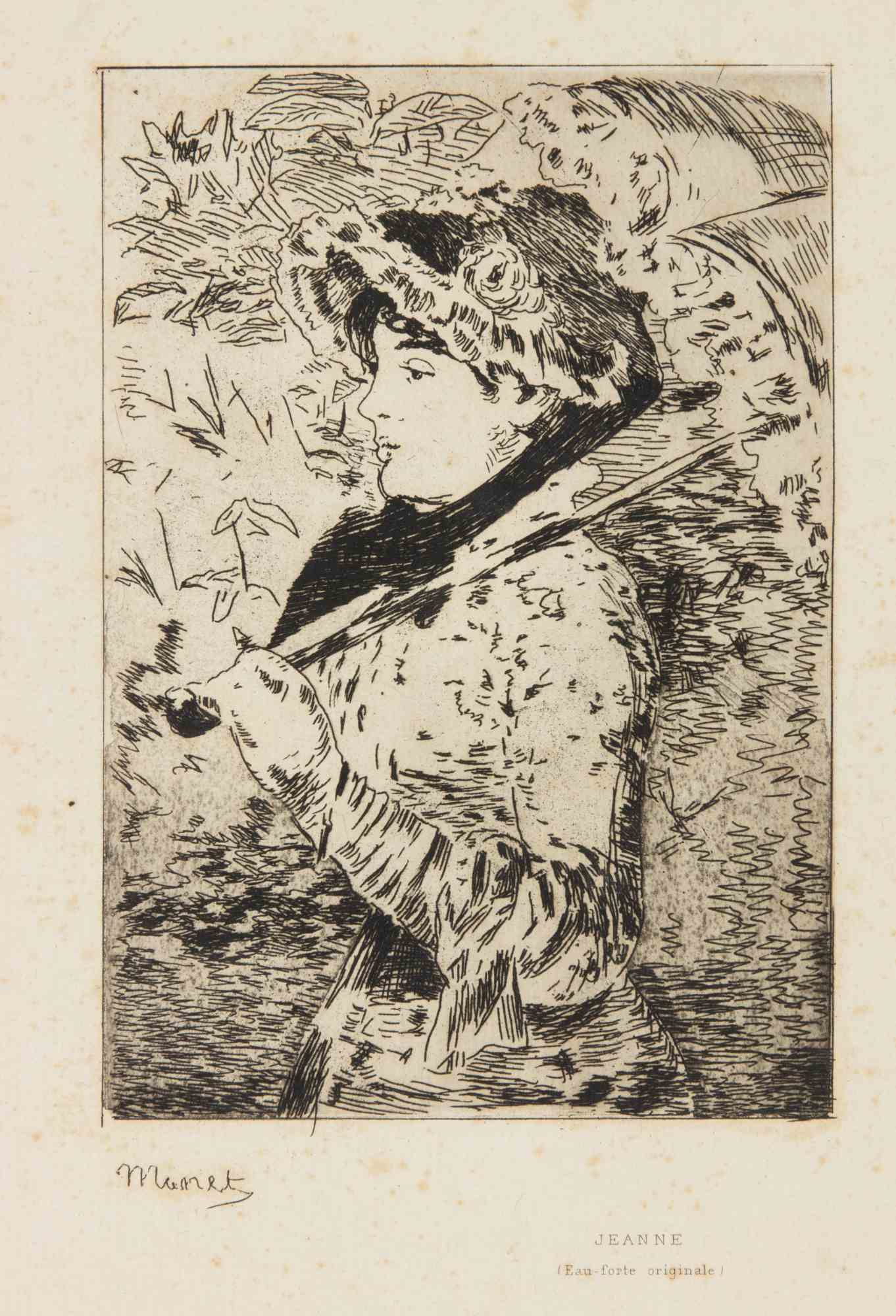
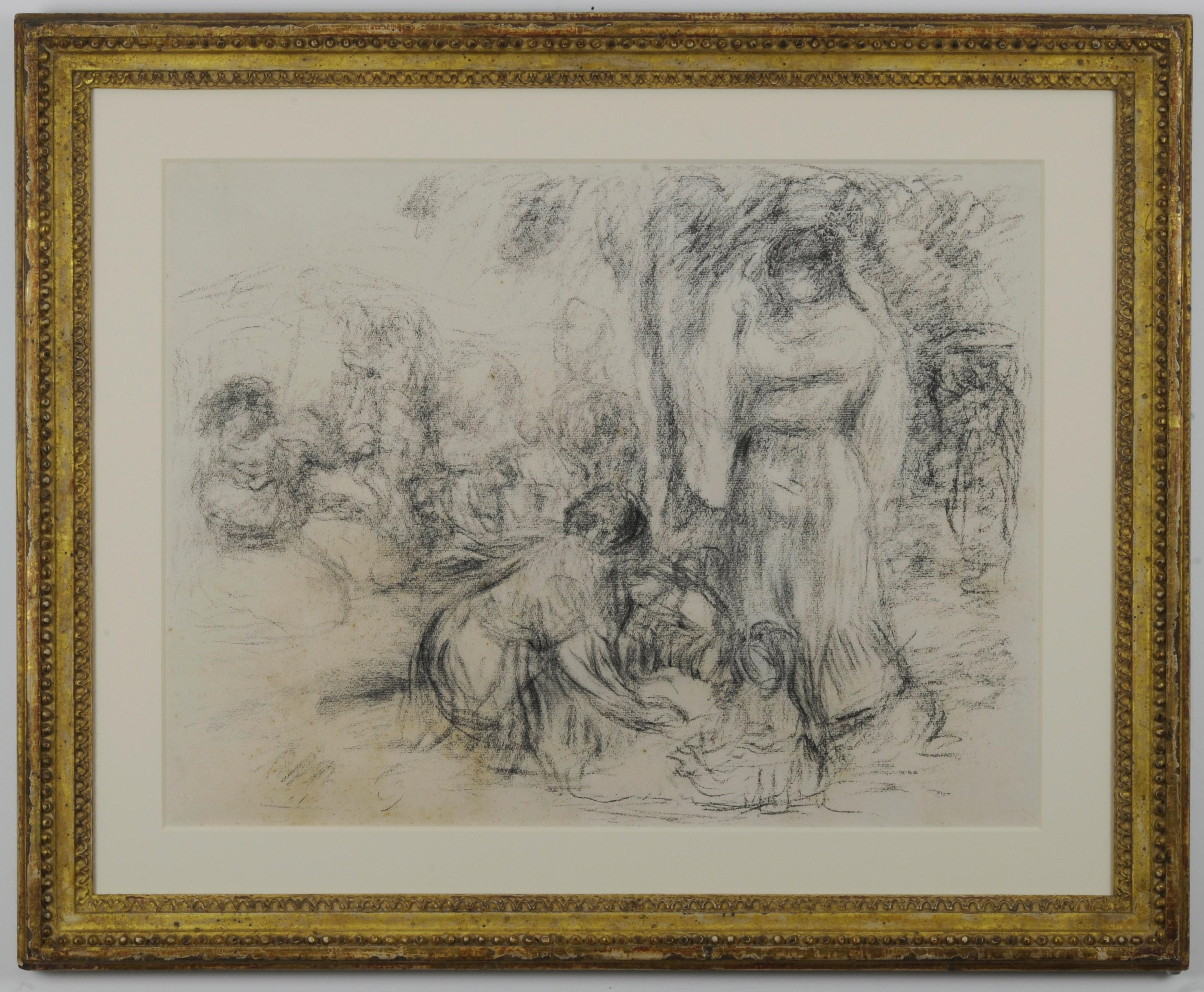
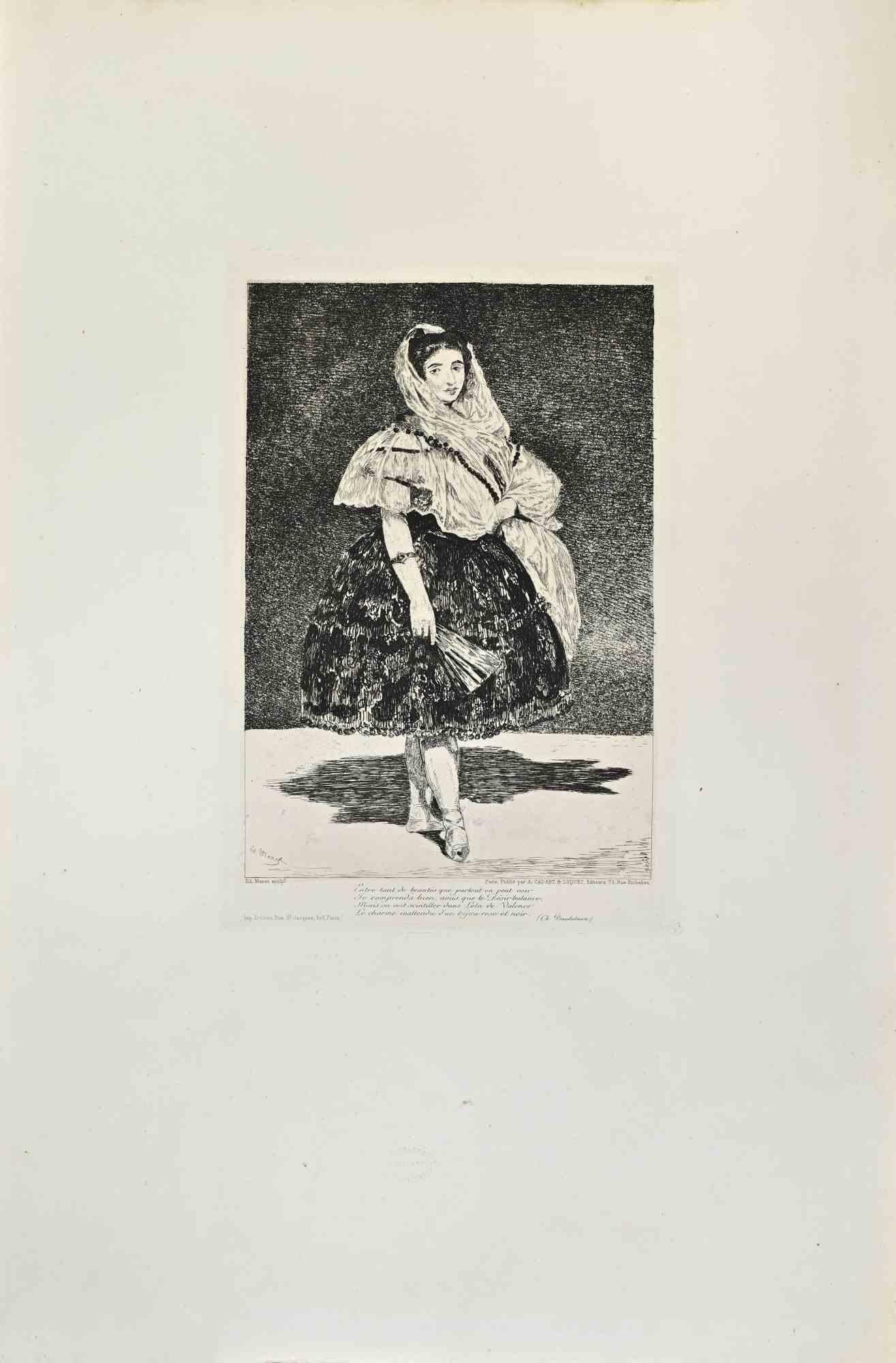
Edouard Manet (1832 – 1883) was a French painter. He was one of the first 19th-century artists to paint modern life, and a pivotal figure in the transition from Realism to Impressionism. Born into an upper-class household with strong political connections, Manet rejected the future originally envisioned for him, and became engrossed in the world of painting. His early masterworks, The Luncheon on the Grass (Le déjeuner sur l'herbe) and Olympia, both 1863, caused great controversy and served as rallying points for the young painters who would create Impressionism. Today, these are considered watershed paintings that mark the start of modern art. The last 20 years of Manet's life saw him form bonds with other great artists of the time, and develop his own style that would be heralded as innovative and serve as a major influence for future painters. Although harshly condemned by critics who decried its lack of conventional finish, Manet's work had admirers from the beginning. One was Emile Zola, who wrote in 1867: "We are not accustomed to seeing such simple and direct translations of reality. Then, as I said, there is such a surprisingly elegant awkwardness ... it is a truly charming experience to contemplate this luminous and serious painting which interprets nature with a gentle brutality."