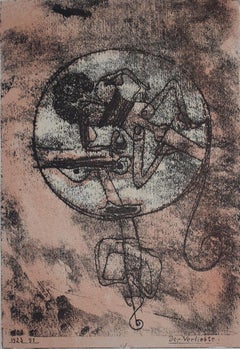
(after) Paul Klee
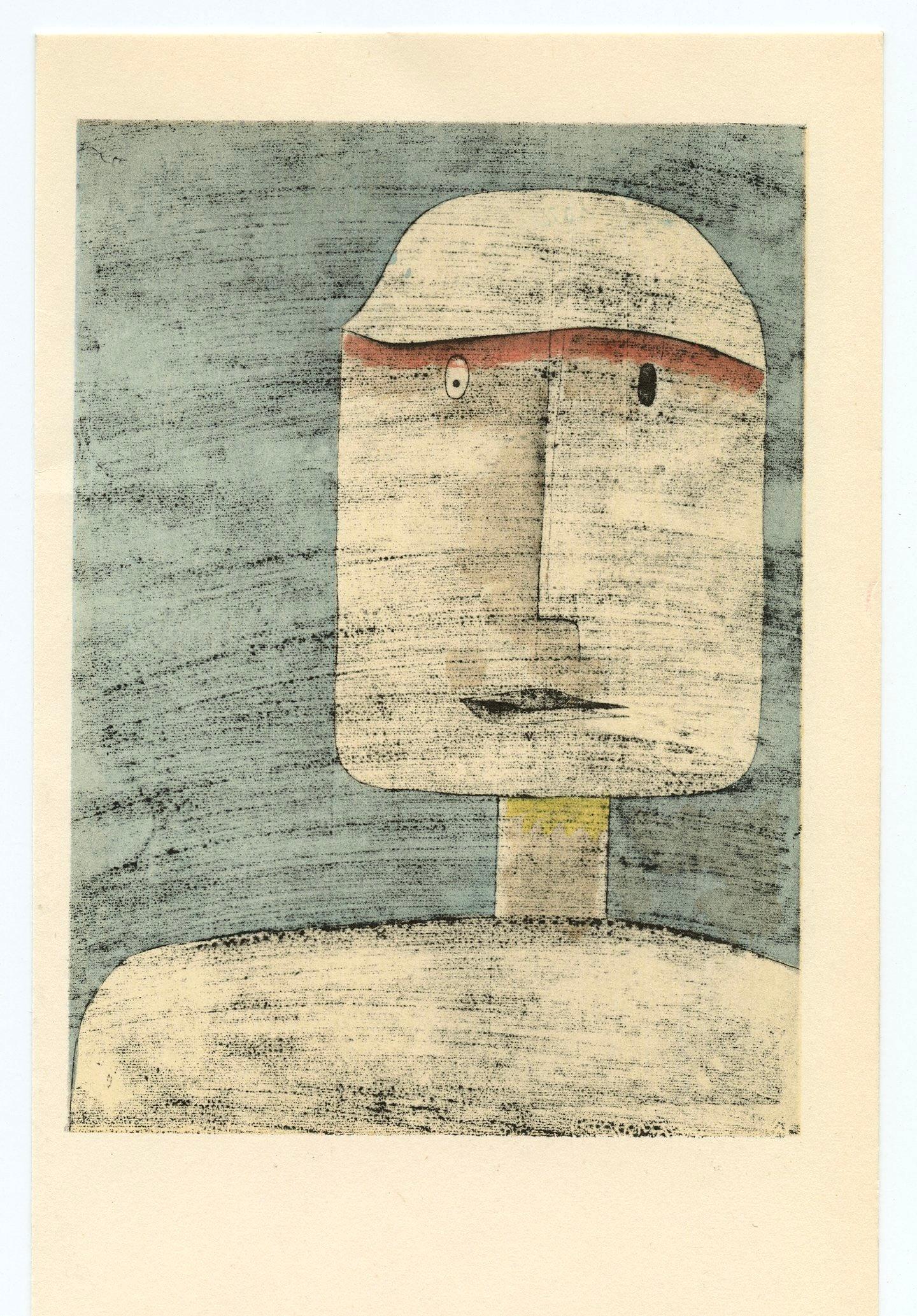
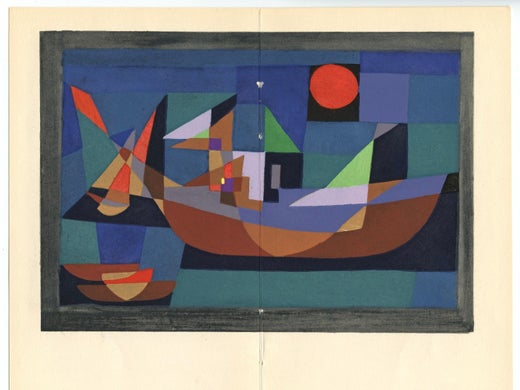
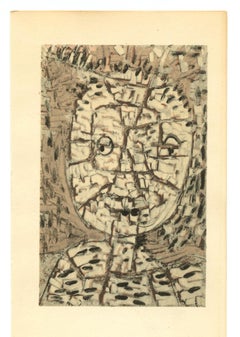
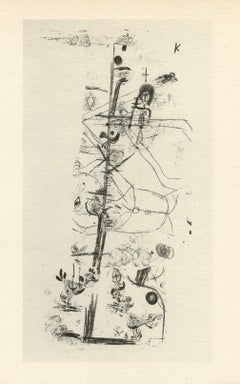
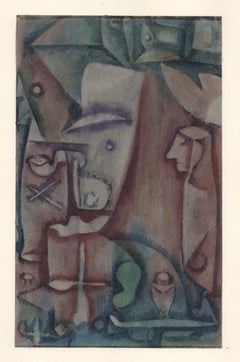
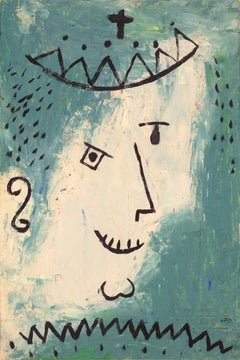
Paul Klee (1879 – 1940) was a Swiss-German artist whose highly individual style was influenced by art movements including Expressionism, Cubism and Surrealism. Klee was a natural draftsman who experimented with and eventually deeply explored color theory, writing about it extensively; his lectures "Writings on Form and Design Theory" (Schriften zur Form und Gestaltungslehre), published in English as the "Paul Klee Notebooks", are held to be as important for modern art as Leonardo da Vinci's "A Treatise on Painting" for the Renaissance. He and his colleague, Russian painter Wassily Kandinsky, both taught at the Bauhaus school of art, design and architecture. He generally worked in isolation from his peers, and interpreted new art trends in his own way. He was inventive in his methods and technique, experimenting in a huge array of different media. His works reflect an emotional lyricism, and he was unafraid to approach his expressions from a perspective of childlike innocence. They frequently allude to poetry, music and dreams, and sometimes even include words, symbols or musical notation. His extensive legacy comprises about 9,000 works of art.